



Choosing a new pair of headphones should be simple, but endless specs and options often make it feel overwhelming. You start looking for something basic and quickly get lost in features that do not really matter to you.
This guide cuts through that noise and brings the focus back to what actually matters. How you listen, where you use them, and what feels right for your everyday life.
There are 5 main types of headphones:
- Over-ear: Large cups that fully enclose the ears for maximum immersion.
- On-ear: Compact cups that rest directly on the outer ear.
- In-ear: Small buds or monitors that sit inside the ear canal.
- Open-back: Headphones with perforated cups that allow air and sound to flow freely.
- Noise cancelling: Models using active technology to electronically block external sounds.
While these are the primary categories, you will also find specialized headphones defined by their technology, such as bone conduction, or their specific usage, like professional DJ models.
Key Takeaways
- Choose headphones based on how and where you use them.
- Main types: over-ear, on-ear, in-ear, open-back, noise-cancelling.
- Over-ear = best sound, in-ear = best portability.
- Noise-cancelling for focus, bone conduction for safety.
- Prioritize comfort, environment, and daily use over specs.
Quick Picks for Instant Decisions
If you need a recommendation right now, here are the top choices for common scenarios based on my experience vetting audio gear:
- Best for Sound Quality: Over-ear or open-back headphones provide the most natural, expansive soundstage for critical listening at home.
- Best for Travel: Wireless noise cancelling headphones are the gold standard for blocking out engine hum and staying cable-free.
- Best for Gym: In-ear waterproof earbuds with an IPX5 rating or higher provide a secure fit and resist sweat during intense movement.
- Best for Work and Focus: Closed-back or noise cancelling headphones help you create a private sanctuary by blocking up to 95% of office distractions.
- Best for Safety: Bone conduction or open-ear headphones keep your ear canals open, allowing you to hear traffic while running or cycling.
Headphone Comparison at a Glance
Before you dive into the details, this quick comparison gives you a clear snapshot of how each headphone type fits into real life. Whether you care about comfort, sound isolation, or portability, this table helps you instantly narrow down what works best for you without getting lost in technicalities.
| Type | Best For | Isolation Level | Pros | Cons |
| Over-ear | Critical listening | High (Closed) | Immersive sound, superior comfort | Bulky, heavier |
| On-ear | Daily commuting | Moderate | Lightweight, breathable | Ear fatigue over time |
| In-ear | Portability / Gym | 25–30 dB Reduction | Compact, secure fit | Limited soundstage |
| Open-back | Home audiophiles | Very Low | Natural, wide soundstage | Sound leakage |
| Closed-back | Office / Public | High (≈95%) | Deep bass, private listening | Can feel enclosed |
| Semi-open | Studio mixing | Moderate | Balanced sound + slight openness | Not fully isolated |
| Bone conduction | Outdoor safety | None | Ears stay open, situational awareness | Weak bass, lower fidelity |
| Open-ear | Running / Calls | None–Low | Comfortable, breathable, safe | Sound leakage, less immersive |
| Wireless (Bluetooth) | Everyday convenience | Varies | No wires, easy connectivity | Battery dependency |
| Noise-cancelling (ANC) | Travel / Flights | Very High | Blocks ambient noise effectively | Expensive, battery needed |
| Waterproof | Workouts / Swimming | Moderate | Sweat & water resistant | Limited sound quality options |
| DJ headphones | Mixing / DJing | High | Rotating earcups, punchy bass | Bulky, not casual-friendly |
| Clip-on | Casual use | Low | Ultra-lightweight, portable | Weak bass, less stability |
Main Types of Headphones (Core Styles)
Before we get into specifics, it helps to understand the core styles that shape how headphones feel and sound. Each type is built for a different experience, from immersive listening to everyday convenience. Once you know the basics, choosing the right pair becomes a lot more intuitive.
1. Over-ear Headphones
As an audio strategist, I look for 40 to 50 mm drivers in this category. This larger driver size allows for a full 20 Hz to 40 kHz frequency response, which is essential for high-fidelity audio. These headphones feature large ear cups that fully surround your ears.
- Best for: Private home listening, professional studio mixing, and gaming.
- Key benefit: Exceptional comfort and the most immersive audio experience possible.
- One limitation: Their bulk makes them less portable, and studio-grade models can weigh around 320g, which may feel heavy during long sessions.
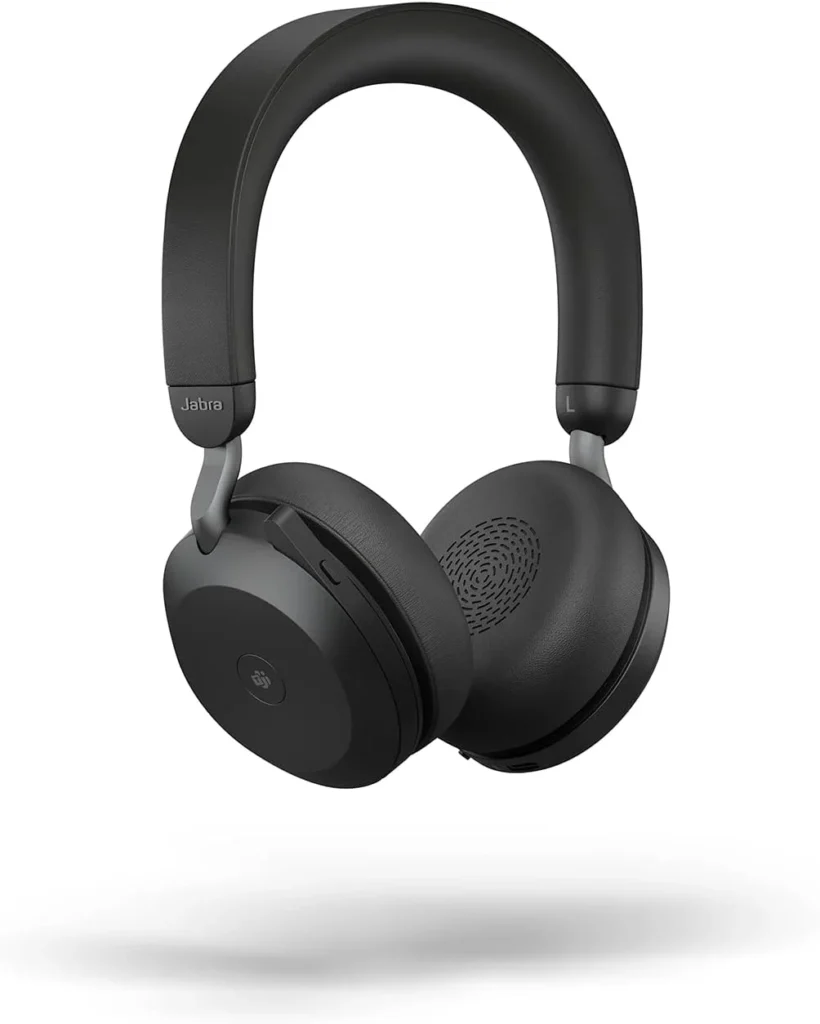
Jabra Evolve2 75 PC Wireless Headset with 8-Microphone Technology
For audiophiles and professionals, pairing this design with High impedance headphones unlocks even greater detail and precision in sound.
2. On-ear Headphones
On-ear headphones, or supra-aural models, rest directly on your outer ear. They offer a middle ground between the power of over-ear models and the extreme portability of earbuds.
- Best for: Commuting and office workers who need to hear when a colleague speaks.
- Key benefit: They are lighter and more breathable, preventing the “hot ear” feeling common with over-ears.
- One limitation: Because they apply pressure directly to the ear cartilage, they can cause physical fatigue after an hour or two.
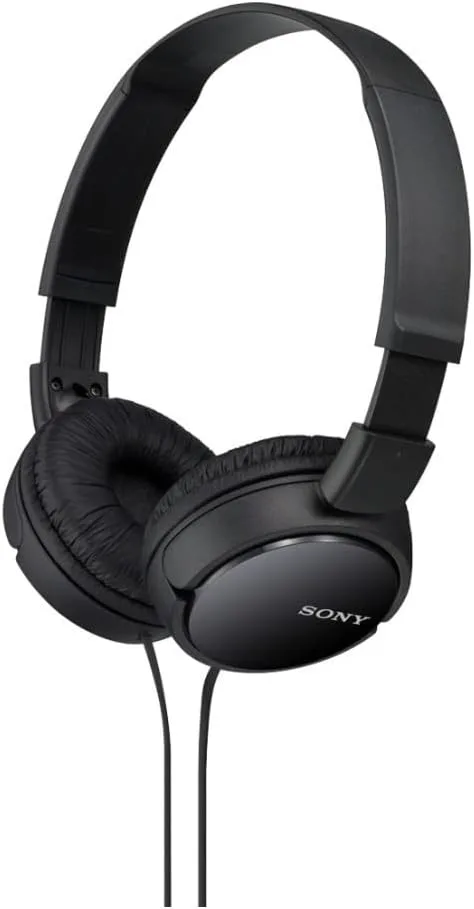
Sony ZX Series Wired On-Ear Headphones
If you are still unsure which suits you better, take a look at our detailed comparison of Over Ear vs On Ear Headphones to understand the real-world differences before choosing.
3. In-ear Headphones
Often called In-Ear Monitors (IEMs), these use silicone or foam tips to create an airtight seal inside the ear canal. This seal is highly effective, often achieving 25 to 30 dB of passive noise reduction.
- Best for: Athletes, travelers, and anyone who prioritizes a compact form factor.
- Key benefit: Excellent passive isolation and high portability.
- One limitation: They generally lack the expansive soundstage found in larger, open-cup designs.
From dynamic to planar magnetic, each driver type shapes sound differently. You can explore their differences in detail here.
4. Open-Ear Headphones
Open-ear headphones are designed to sit outside or just in front of your ears, rather than covering or entering them. Unlike traditional headphones, they allow you to hear both your music and your surroundings at the same time.
This makes them an excellent choice for users who prioritize situational awareness, especially during outdoor activities like running, cycling, or walking in busy environments.
Types of Headphones by Technology
Beyond shape and fit, the technology inside your headphones plays a huge role in how you experience sound. From how they connect to how they process audio, these differences can completely change your daily use. Let’s break down the key technologies so you can choose what actually fits your lifestyle.
5. Wireless and Bluetooth Headphones
If you are looking at the various types of wireless headphones available, you will notice that modern types of Bluetooth headphones have largely closed the quality gap with wired models.
Many now support Bluetooth 5.3 and advanced codecs like aptX or LDAC, which allow for high-bitrate streaming. These are essential for people who want to move freely without being tethered to a device.
With continuous improvements like the shift from Bluetooth 4.0 to 5.0, wireless headphones have become faster, more stable, and far more reliable than before.
6. Noise Cancelling Headphones
The most effective types of noise cancelling headphones use Active Noise Cancelling (ANC). This technology uses external microphones to pick up ambient sounds and then creates opposite sound waves to cancel them out.
This is different from passive isolation, which simply uses physical barriers like foam to block sound. Premium ANC can even include voice-enhancement modes to help you hear conversations while still blocking background hum.
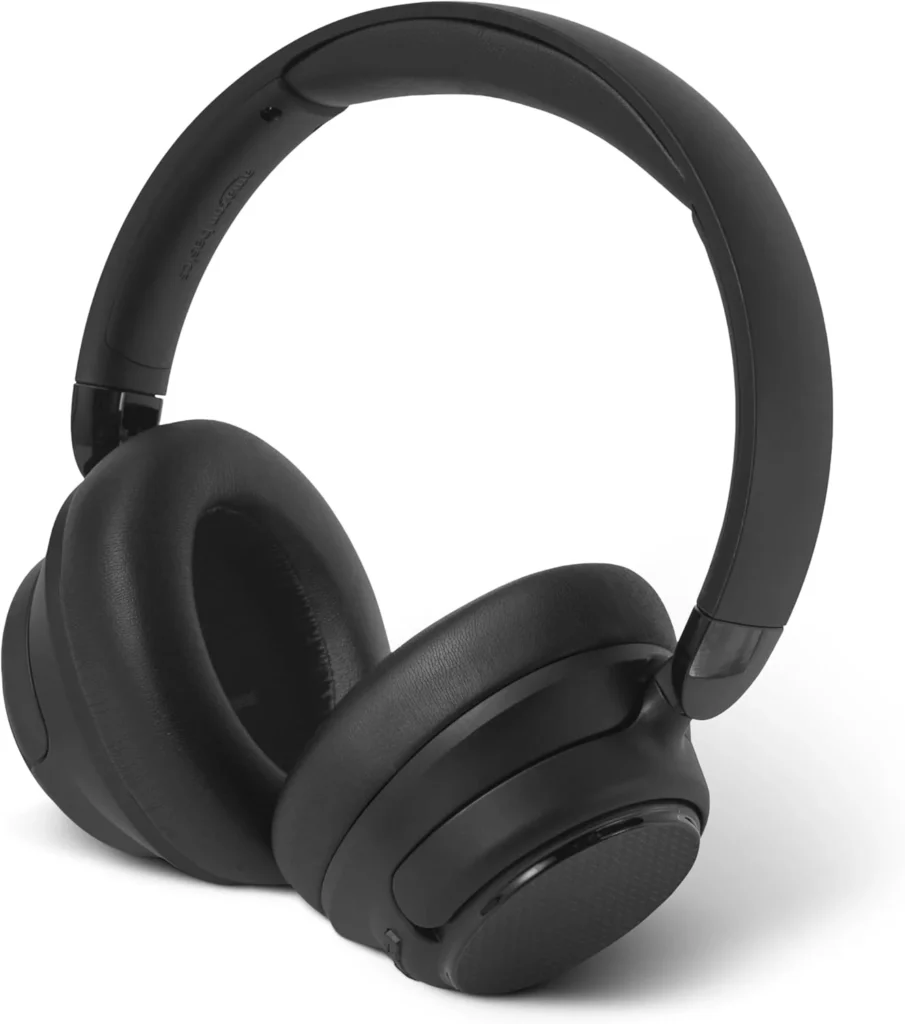
Amazon Basics Hybrid Active Noise Cancelling Headphones
7. Bone Conduction Headphones
This technology is a game-changer for safety. Rather than using speakers, these headphones transmit sound vibrations through your cheekbones directly to the inner ear.
Because they bypass the eardrums, they are a fantastic option for individuals with certain types of hearing impairments or for runners who must remain aware of their surroundings.
If you often deal with issues like headphone dent or headphone hair, this open-ear design can be a surprisingly comfortable alternative.
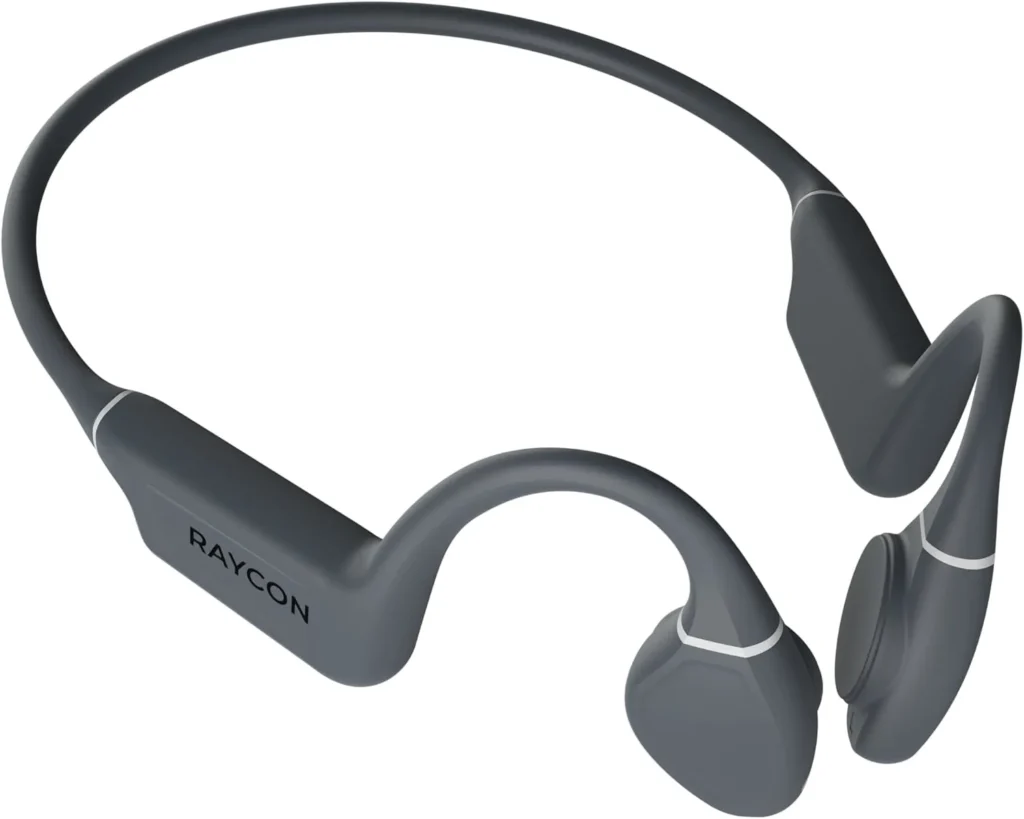
Raycon Everyday Bone Conduction Headphones Bluetooth
Types of Headphones by Design
Before diving into specific models, it’s important to understand how design shapes your listening experience. The way headphones are built directly affects soundstage, comfort, and how much of the outside world you hear. Let’s start with one of the most unique designs.
8. Open-Back Headphones
Audiophiles often prefer open-back designs because the perforated ear cups allow air to move freely. This prevents pressure buildup and internal reflections, resulting in a soundstage that feels “airy” and natural, much like a live concert. However, they leak sound to everyone around you and offer zero isolation from outside noise.
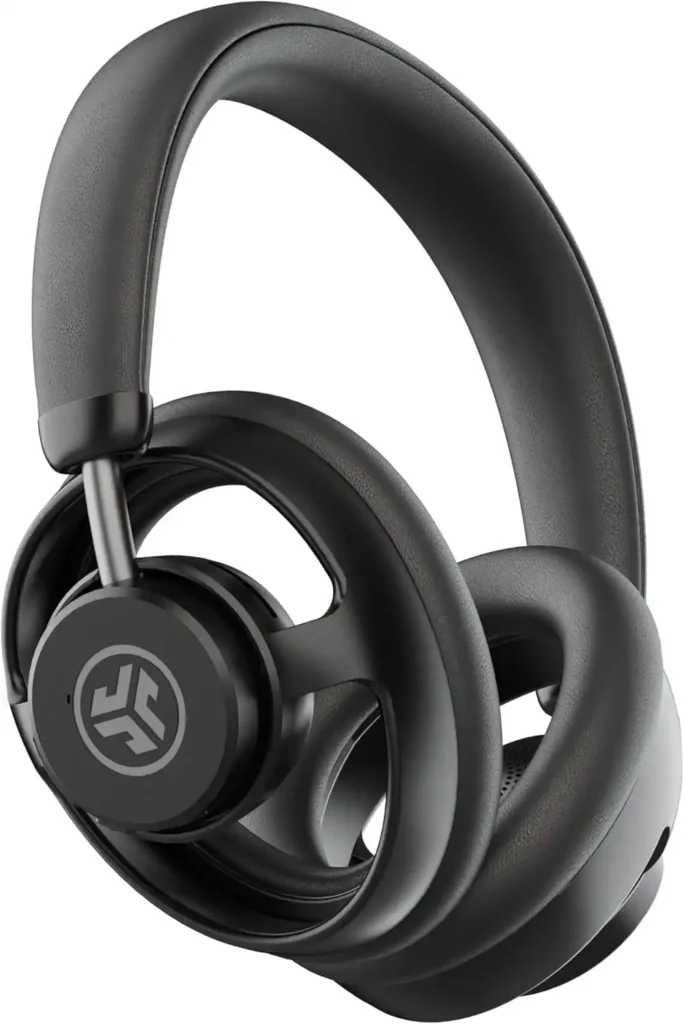
JLab JBuds Open Wireless Headphones, Black, Open-Back
9. Closed-Back Headphones
Closed-back models use sealed chambers to trap sound. They are designed to block out the world, with some models achieving 95% ambient noise blocking.
These are the standards for recording studios because they prevent the “click track” or music from leaking into the microphone. They also tend to have a more pronounced, punchy bass response.
This makes Closed-Back Headphones a top choice if you want a distraction-free, private listening experience.
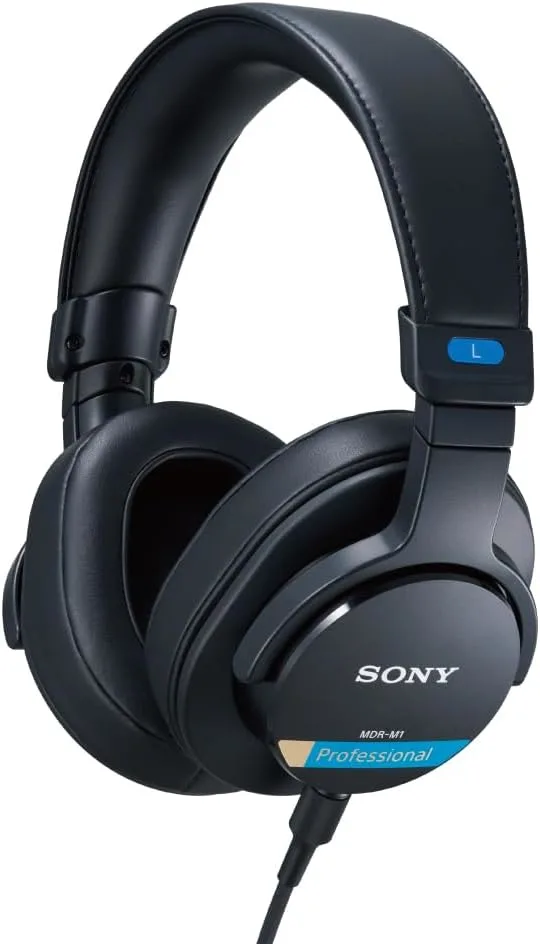
Sony MDR-M1 Professional Reference Closed Monitor Headphones
10. Semi-Open Headphones
These represent a hybrid design that features partial venting. They aim to provide a wider soundstage than closed-back models while offering more isolation and better bass response than fully open-back designs.
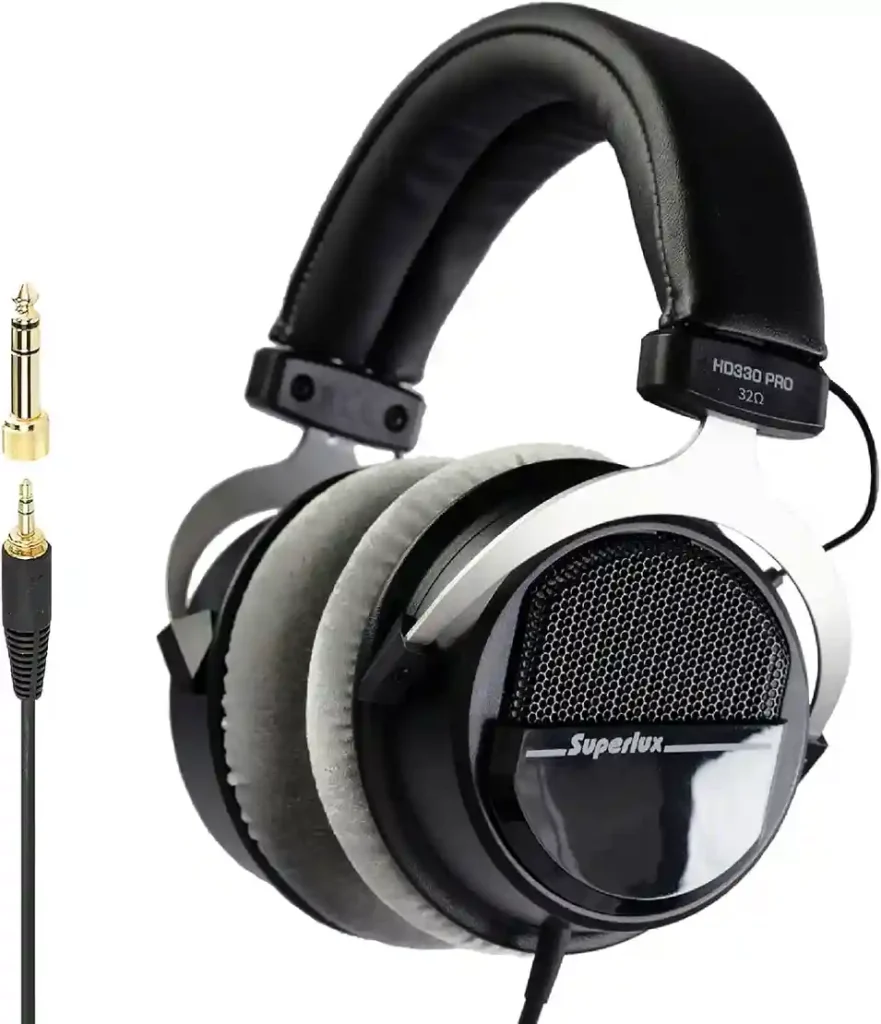
Superlux HD 330PRO, 32 ohms, Over-Ear Headphones, Professional Semi-Open Wired Headphones
Specialized Headphones
Not all headphones are built for everyday listening. Some are designed for very specific roles where performance matters more than comfort or style. These specialized options are made to handle unique environments and demanding use cases.
11. DJ Headphones
Professional DJ headphones are built for durability and functionality. They prioritize high sound isolation so the DJ can hear the next track in a loud club. Most feature swiveling ear cups, which allow for single-ear monitoring while keeping the other ear open to the room’s energy.
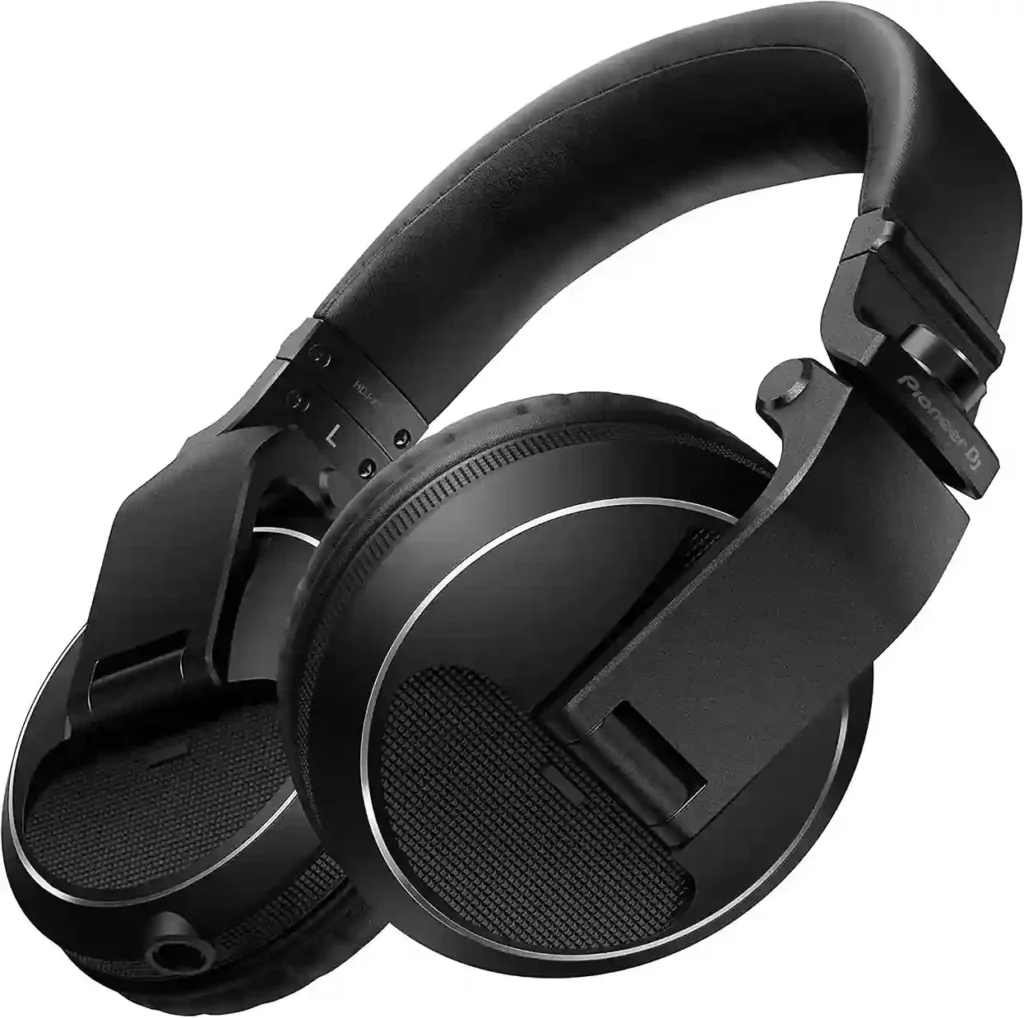
Pioneer DJ HDJ-X5 Professional DJ Headphones – Black
12. Waterproof Headphones
When choosing waterproof headphones, check the IP rating. An IPX5 or IP55 rating means they are water-resistant and can handle sweat or rain. For swimming, you need a fully waterproof model that can be submerged. Some of these even include built-in MP3 storage because Bluetooth signals do not travel well through water.
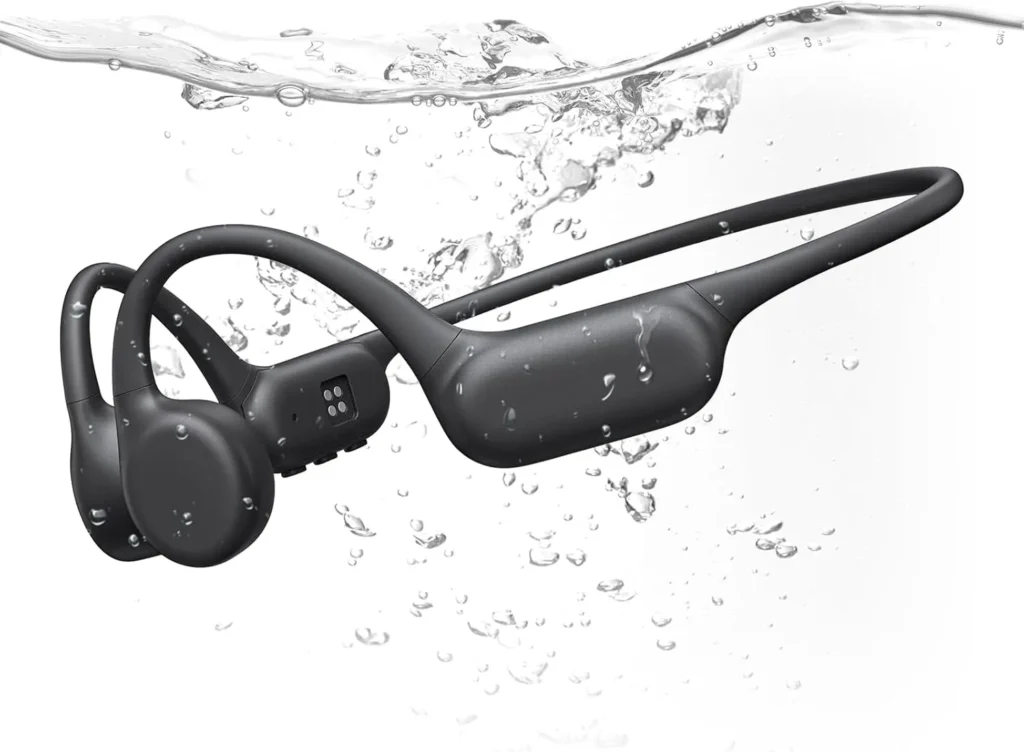
PSIER Bone Conduction Headphones IPX8 Waterproof Swimming Headphones
13. Clip-on Headphones
These are a lightweight, headband-free alternative. They clip gently to the outer ear, making them a good choice for people who find headbands too heavy or in-ear tips too invasive. They offer a stable fit for light activity without the bulk of traditional frames.
How to Choose the Right Type of Headphones
- Identify Your Use Case: If you are a swimmer, you need waterproof technology. If you are a frequent flier, ANC is your best friend.
- Evaluate Your Environment: Open-back headphones sound beautiful, but they are useless on a bus. Choose your design based on how much noise you need to block or hear.
- Prioritize Comfort and Safety: Ensure the fit matches your ear shape. To protect your hearing, follow the 60/60 rule: listen at no more than 60% volume for no more than 60 minutes at a time.
- Match Sound Preference: If you crave a natural, spacious sound, look for open-back models. If you want a “bass-heavy” experience, a closed-back over-ear model is usually the better choice.
Conclusion
The perfect headphones are not about the best specs, but what fits your daily life. Noise-cancelling over-ears help you focus, bone conduction keeps you safe outdoors, and open-back models deliver the most natural sound at home.
Different brands bring different strengths, whether it is comfort, connectivity, or sustainability. But beyond features, what truly matters is how effortlessly they fit into your routine.
Choose what matches your habits, your environment, and the way you listen. Because the right pair does not just sound good, it makes every moment feel better. And if you want to take things further, check out our guide on different types of speakers to build a complete audio setup.Now that you have the right headphones, explore the best music apps to truly elevate your listening experience.
FAQs
1) What are the different types of headphones?
Headphones are grouped by design (over-ear, on-ear, in-ear), sound style (open or closed-back), and features like wireless, noise cancellation, or bone conduction.
2) How many types of headphones are there?
There are around 8 to 12 main types, including basic styles and specialized ones like gaming, studio, and sports headphones.
3) What types of headphones do you use?
It depends on your use. ANC for travel, bone conduction for outdoor safety, and open-back for immersive listening at home.
4) Which headphone type is best overall?
There is no single “best” type. Over-ear headphones are the most versatile, but the right choice depends on your lifestyle and listening needs.