


You do not notice it at first. It happens quietly, somewhere between your last game, your final call, or that one extra episode you did not plan to watch. Then you pass a mirror, pause for a second, and lean closer.
There it is.
A weird dip that feels like it’s stuck to your scalp and won’t go away. To be sure, you touch it once and then again. It seems authentic. Too genuine. Suddenly, an odd thought creeps in: has your headset actually changed the shape of your head?
It sounds extreme, but this tiny moment of panic is more common than people admit. The internet is full of theories, warnings, and dramatic claims about the so-called “headphones dent.”
But here is the truth. What you are seeing is not permanent, not dangerous, and definitely not your skull changing shape. It is simply your body reacting to pressure in a very temporary way.
Headphones are no longer occasional gadgets. They are part of daily life. The U.S. market alone crossed 13.17 billion USD, while global usage continues to surge, showing just how many people wear headsets for hours every single day.
Key Takeaways
- That “headphones dent” is not permanent; it is just a temporary imprint on your skin and hair
- Your skull cannot be reshaped by headphones; it takes extreme force far beyond anything audio gear can apply
- What you feel is soft tissue compression, not bone damage or deformation
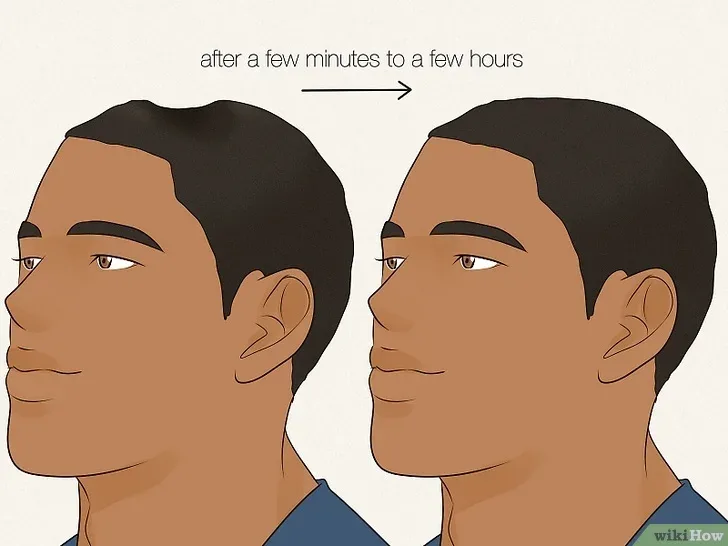
- Most dents and discomfort fade naturally within minutes to a few hours after removing the headset
- Narrow or tight headbands create deeper dents by concentrating pressure on one area
- Quick fixes like scalp massage, water, or light heat can restore your hair instantly
- Simple habits like adjusting your headset or taking breaks can prevent the dent from forming in the first place
Can Headphones Damage Your Skull or Head Permanently?
That moment of panic feels real. Your fingers trace that dip, and your brain instantly jumps to the worst-case scenario. But here is where science steps in and completely shuts that fear down.
Your skull is not soft. It is one of the most durable structures in your body, built to withstand serious impact, not the gentle pressure of a headset.
In fact, a study conducted in collaboration with the Department of Neurosurgery at the University of Tokyo found that it takes between 135 kg and 385 kg of force just to initiate a skull fracture.
That is not pressure. That is extreme, bone-breaking force. Now compare that to reality.Even premium models like the Bose QuietComfort 45 or the Sony WH 1000XM5 apply only a fraction of a pound of pressure.
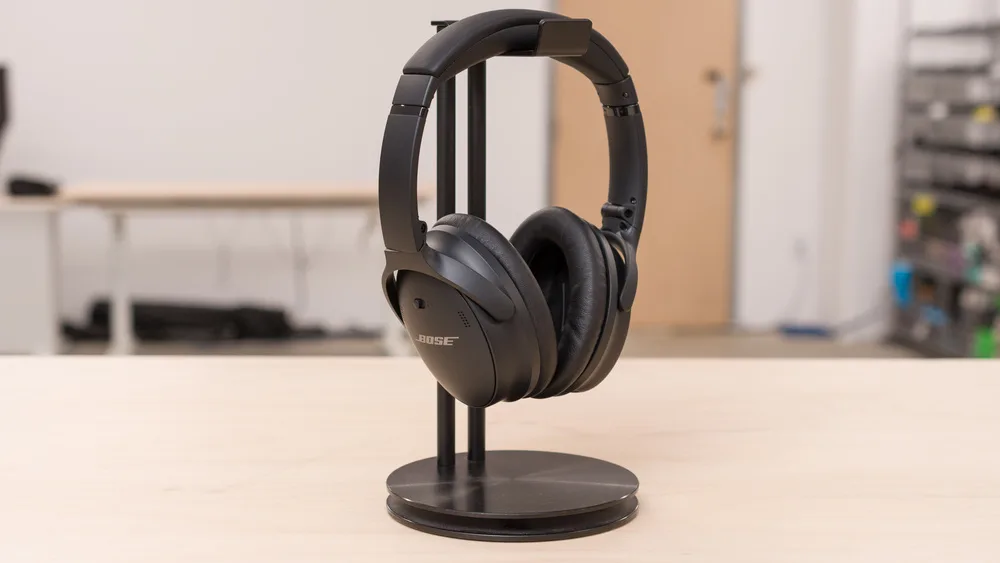
Your regular headphones, regardless of the types of headphones you use, apply nowhere near that level of force. Not even near. Not in the same category at all. What do you really feel, then? Not harm to the bones. Not distortion. Only superficial effects.
As the headband softly presses against your skin, it flattens your hair and moves minute layers of fat and fluid. Your body is merely momentarily adjusting to pressure, which is what the “dent” is.
It appears dramatic. It seems plausible. But underneath, your skull has not changed at all.
Myth vs. Truth: The “Streamer Head Dent” Phenomenon
The term gained traction online, with Know Your Meme tracing its origins back to early viral posts. The moment something looks unusual on camera, the internet turns it into a story. A small dent becomes a headline, a clip becomes “proof,” and suddenly it feels like something serious is happening.
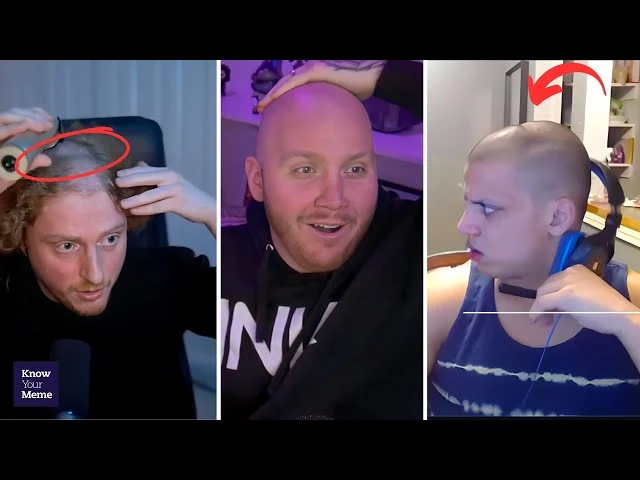
But what you see online is often exaggerated, misunderstood, or taken out of context. Before jumping to conclusions, it helps to separate what is going viral from what is actually real.
| Headset Dent: Viral Fiction | Scientific Fact |
| Streamers like Tyler1, Mizkif, and Curtoss have permanently warped their skulls through gaming | These are temporary impressions in the soft tissue, similar to how glasses leave marks on the nose |
| The “gamer head dent” is a sign of a “soft” or “deforming” adult skull | Adult skulls are fused and rock-solid; they do not change shape from wearing headsets |
| The “streamer head dent” requires surgery to fix | These marks are superficial and resolve naturally with rest and improved blood flow |
Moments like Curtoss spotting a visible dent or Mizkifs joking about it helped push the idea into mainstream internet culture.
The Diagnosis: Are Headset Dents Real or Just Temporary Marks?
In the meantime, noticeable dent and post-headphone soreness might be frightening, especially if they arise out of nowhere. However, it becomes far less worrisome once you realize what’s going on behind the surface. Your body is only responding to pressure in a fairly predictable manner; it is not being harmed.There’s a clinical term for this discomfort called external compression headache, which occurs when sustained pressure is applied to one area.
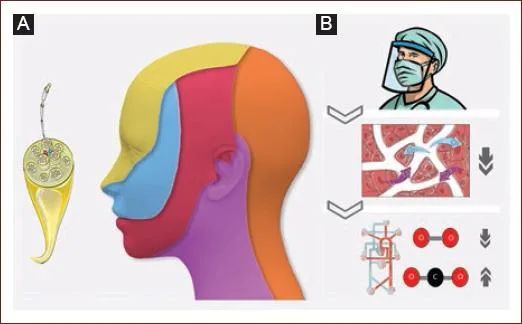
- It’s merely your body responding to extended contact; it’s not harmful. Your scalp starts to heal nearly instantly as the pressure is released.
- The ache usually goes away in an hour. Your blood flow returns to normal, and the feeling goes away on its own.
- The pressure used determines the dent’s depth. The distribution of force is what matters, not the amount of damage. Design also matters — the difference between over-ear and on-ear headphones directly affects how pressure is distributed across your scalp.
- Dents are particularly obvious on narrow headbands. They increase compression by concentrating pressure on a tiny strip.
- Bands that are cushioned or wider lessen the impact. They reduce the visibility of the dent by applying the same force across a wider region.
- The main lesson is straightforward. The marks are surface-level, transient, and totally reversible.
You should look closely at product pages, as basic details are clearly listed in headphone specifications, including weight and clamping force.
How to Get Rid of Headset Dent (The Fast Fix Guide)
If you have a meeting or a date and need to reset your look immediately, these tactics are your secret weapon:
- Scalp Massage: Rub the area for two minutes to stimulate blood flow and help the tissue rebound.
- Wet and Reset: Moisture breaks the hydrogen bonds in your hair shaft, allowing flattened strands to bounce back to their natural shape.
Heat Lift: Use a blow dryer on a low setting to instantly re-volumize hair and lift the “canyon.”
How to Prevent Headset Dent (Long-Term Solutions)
Can you truly stop the dent before it starts? Heavy users like office workers and gamers should use this checklist to maintain comfort. Also, interestingly, the same habits used to prevent headphone hair also reduce visible dents.
- Headphone Rotation Technique: Periodically shift the headband one inch forward or backward every 30 to 40 minutes.
- Ergonomics: Choose headsets with wider or suspended headbands to distribute weight across a larger surface area.
- Barrier Method: For those with fine hair, wearing a beanie or a cap under your headset provides essential cushioning.
- Alternative Gear: Switch to in-ear monitors like the TOZO NC9 or open-ear designs like the TOZO Open EarRing to eliminate scalp pressure entirely.
If you use noise-canceling headphones for long sessions, prioritize lighter builds and softer padding.
- Professional Recommendations: If you must use a headset all day, look for the best headphones for music production models like the Poly Voyager Focus or the Jabra Evolve2 series.
- Take Timely Breaks: Even OSHA recommends taking short breaks during prolonged static activity to allow circulation to normalize.
If you want a long-term solution, following a proper guide on choosing headphones can help you pick a more comfortable fit. You can also compare open back and closed back designs to understand differences in weight, airflow, and comfort.
“WHEN TO WORRY”
Consult a doctor only if a dent appears suddenly after a head injury. You should also seek medical evaluation if you experience swelling, numbness, or skin breakdown that does not resolve after several days of rest.
Conclusion
That moment in front of the mirror can feel dramatic. You see the dent, you feel it with your fingers, and for a second, it almost convinces you that something deeper has changed.
But nothing has.
Your skull is built to handle real impact, not the gentle, everyday pressure of a headset. What you are noticing is simply your skin and hair adapting for a short time, then returning right back to normal once the pressure is gone.
There is no damage. No permanent change. No “gamer head.” Just a temporary imprint from hours spent focused, immersed, and in your zone.
And the best part is, you are completely in control of it. Small habits like adjusting your headset or taking short breaks can make that dent barely noticeable, if it appears at all.So the next time you take your headphones off, do not overthink it. Reset, refresh, and carry on. Your head is exactly the way it is meant to be. Follow SoundHub for more practical audio guides and tips that keep your listening experience comfortable and stress-free.
FAQs
1) How to get rid of headset dent?
The fastest way to remove the mark is to massage your scalp to increase circulation and wet your hair to reset the follicles. This allows the skin and hair to return to their natural state quickly.
2) What is a headset dent?
It is a superficial compression of the hair and the soft tissue of the scalp. It is not a skeletal deformity and only involves the skin and the fat layer.
3) How long does a headset dent last?
While an External Compression Headache usually resolves within one hour, the visible physical indentation can linger for 4 hours, depending on hair type. The exact time depends on your moisture levels and the tightness of the headset.
4) Can a headset dent your skull?
No, it is physically impossible for a headset to dent a human skull. It takes hundreds of pounds of force to move the skull bone, while headphones apply less than one pound.
5) Can you actually get a headset dent?
Yes, you can get a visible indentation in your skin and hair. However, this is a soft-tissue event and is never a permanent change to your bone structure.