



Certain sounds feel different in the late hours of the night, when everything finally slows down. A delicate drum beat flows softly beneath a beautiful piano loop that floats around the space. You may hear a tiny crackling of vinyl in the background.
Nothing sounds flawless, but that’s precisely what makes it reassuring. The sound of the song is cozy and comforting, almost like a recollection.
This is the mood that lo-fi music evokes. Lo-fi embraces minor flaws like tape hiss, background noise, and somewhat unpolished sounds rather than striving for studio perfection. The song has a sentimental and human quality because of these textures.
Low fidelity, or lo-fi, is a recording style that embraces technical imperfections rather than fixing them. These flaws eventually come to define the genre. Because of its serene rhythms and soft textures, lo-fi music is now frequently utilized for learning, unwinding, or concentrating.
Many listeners discover lo-fi through modern music streaming apps, where endless playlists create a calm background for studying and working.
What Is Lo-Fi Music? (The Quick Answer)
- The Name: Short for “low-fidelity,” it refers to music that rejects high-end studio polish in favor of raw, authentic recordings.
- The Core Vibe: It is primarily designed for relaxation, deep focus, and unwinding.
The Human Element: By embracing flaws like tape hiss and misplayed notes, the genre feels personal and intimate: a stark contrast to digital precision.
Key Takeaways
- Lo-fi music celebrates imperfection. Sounds like vinyl crackle, tape hiss, and slightly off-beat rhythms create its warm, nostalgic feel.
- It is widely used for focus and relaxation. The slow, repetitive beats and minimal vocals help listeners study, work, and unwind.
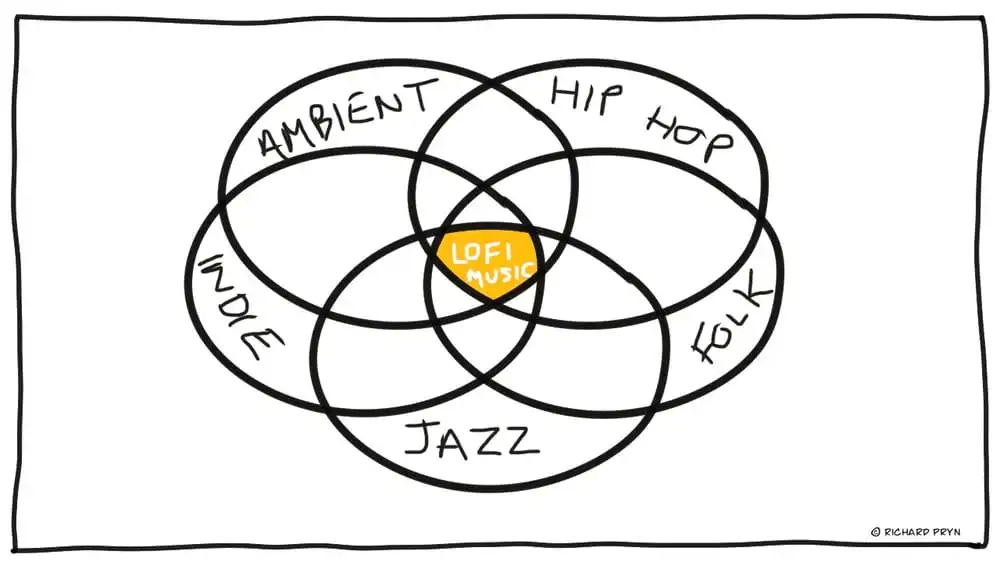
- The genre blends multiple influences. Lo-fi draws from hip hop, jazz, ambient music, and DIY recording culture.
- Its roots go back decades. What began as low-budget recordings evolved into a global genre through underground music communities and modern streaming platforms.
- Different subgenres exist. Popular styles include lo-fi hip hop, lo-fi house, lo-fi electronic, indie, and folk.
- The sound may support concentration and stress relief, while good headphones help reveal the subtle textures that define the genre.
What Genre Is Lo-Fi Music?
Lo-fi is generally considered a subgenre of electronic music, but its sound draws inspiration from many styles. Hip hop, jazz, and DIY recording culture all contribute to the genre’s laid-back vibe.
The music is closely associated with chill-hop because it frequently combines calm beats with gentle melodies and ambient textures. Many people enjoy listening to lo-fi music while studying, unwinding, or working because it emphasizes mood and atmosphere rather than polished production.

The Anatomy of a Vibe: Characteristics of Lo-Fi Music
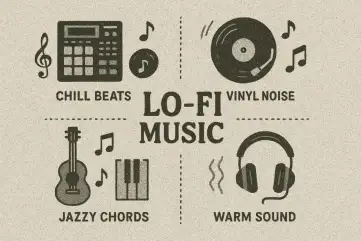
The details that many other genres attempt to omit are what make lo-fi music so beautiful. Lo-fi welcomes minor flaws and incorporates them into the mood rather than striving for flawless recordings. The music’s richness, coziness, and distinct personality come from these delicate textures.
Vinyl Crackle and Tape Hiss. The music is frequently accompanied by a gentle hiss of tape or a slight crackling of vinyl. These noises add a nostalgic overlay that gives the song a timeless, lived-in quality by simulating the experience of listening to an old record or cassette.Wow and Flutter.
Wow and flutter are slight pitch alterations caused by outdated analog equipment’s uneven playback. This effect produces a dreamy, somewhat drifting tone in lo-fi that resembles a fading memory.
Swing and Groove Strict digital time is rarely followed by lo-fi beats. In order to give the beat a natural swing that feels more comfortable and genuine, producers frequently place drum hits slightly off the grid.
Analog Warmth Lo-fi producers prize the rich, resonant sound of analog instruments and effects. This warmth provides a depth that digital recordings often lack: offering a sonic hug that is both heavy and soft.
What Instruments Are Used in Lo-Fi Music?
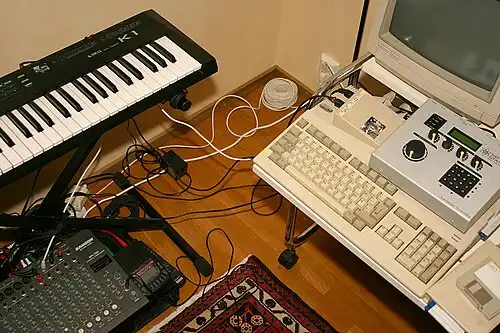
To craft these introspective soundscapes, artists rely on a specific toolkit of organic and electronic elements:
- Piano: The primary source for melody, often played with soft, jazz-influenced chord progressions.
- Electric Guitars: Usually played with a mellow tone to provide breezy, soulful lines.
- Drum Machines: These provide the soft kicks and snares that act as the steady, minimalist heartbeat of the track.
- Analog Synths: Classic tools like the Minimoog are used to create lush, dreamy background layers and ambient pads.
Field Recordings: To deepen the immersion, producers add sounds from daily life, such as birdsong, coffee shop chatter, or the sound of the sea.
Capturing these subtle environmental sounds often depends on choosing the right type of microphone, since different microphones capture ambience and background texture in unique ways.
From Basements to Bedroom Beats: A History of Lo-Fi Music
Long before it was recognized as a distinct genre, the origins of lo-fi music date back to the 1950s. “Low fidelity” at the time just referred to recordings created with inadequate equipment. Many musicians depended on cheap equipment and simple tape recorders while working outside of professional studios.
What started as a restriction gradually evolved into a distinctive sound that sounded honest, intimate, and unvarnished.
By the 1960s, the general public started to notice this raw look. Even well-known performers like The Beach Boys experimented with records that were cozier and less polished.
Lo-fi culture flourished in the 1980s thanks to underground cassette trade groups. These amateur recordings were made available to listeners who valued originality over studio precision through independent radio stations like WFMU.
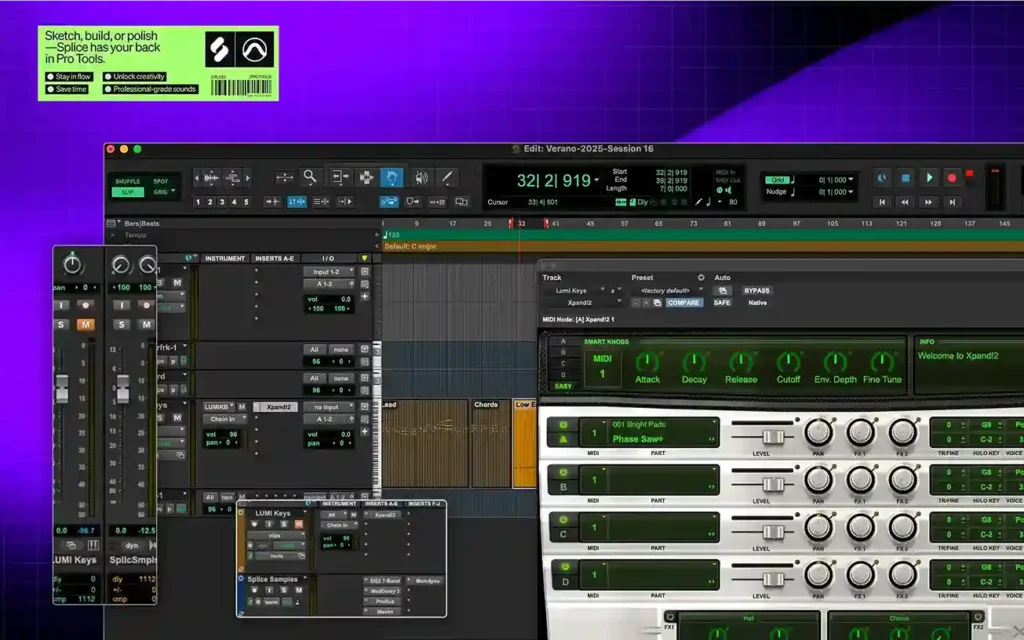
In the 1990s, the DIY movement flourished as musicians like Beck and The Mountain Goats embraced straightforward recording setups and prioritized authenticity.The widespread availability of music production equipment gave rise to the current era of lo-fi. Artists all across the world may create music from their own homes using programs like Pro Tools, Logic Pro, Ableton Live, and GarageBand.
Lo-fi was no longer merely essential. It developed into an artistic decision that influenced a worldwide sound.
The Diverse World of Lo-Fi Subgenres
- Lo-Fi Hip Hop: Often called “chill-hop,” this is the genre’s most popular form. It was pioneered by legends like J Dilla and Nujabes. Nujabes specifically became a global icon through his soulful work on the Samurai Champloo soundtrack, blending jazz and hip hop into something deeply introspective.
Lo-Fi Electronic Music: This subgenre leans into ambient and chill-out vibes, focusing on atmospheric synths and expansive, airy textures.
- Lo-Fi House Music: Originating lo-fi house emerged around 2012 on SoundCloud via DJ Seinfeld, DJ Boring, Ross From Friends
- Lo-Fi Indie Music: Rooted in the underground rock of the 90s, this subgenre celebrates the unpolished grit of bands who reject standard studio perfection.
- Lo-Fi Folk Music: A “homemade” folk style where the raw, acoustic nature of the recording highlights the honesty of the songwriting.
Why Lo-Fi Music Became a Global Phenomenon
Lo-fi’s explosion into the mainstream was driven by the rise of “Study Culture” on platforms like YouTube. The iconic “Lofi Girl” channel, formerly known as ChilledCow, became a digital lighthouse for millions of students and workers.
The genre further cemented its place in history during the 2010s through the Vaporwave trend, which used nostalgic visuals and slowed-down beats to create a unique cultural moment.
During the COVID-19 pandemic, lo-fi became a tool for survival. As the world entered lockdown, listeners turned to these 24/7 livestreams to find a sense of calm and a consistent background for their new remote-work realities.
Icons of the scene, such as J Dilla and his legendary album Donuts, helped the genre transition from a niche community to a global lifestyle.
Over time, the aesthetic of lo-fi has also influenced wider pop culture, from animated livestream visuals to nostalgic internet art styles.
The Science of the Soothe: Benefits of Listening to Lo-Fi Music
There is a genuine science behind why these dusty beats feel so good. Research into the genre suggests several wellness benefits:
- Stimulates Brain Activity: The soothing nature of the music can spark creativity and assist in innovative problem-solving.
- Reduces Stress: Lo-fi helps lower cortisol levels and can act as a natural, though not medicinal, remedy for anxiety by slowing down the mind. Harvard research shows that relaxing music can lower stress and anxiety levels.

- Improves Concentration: The repetitive, instrumental rhythms make it easier for the brain to enter a “flow state,” which is ideal for deep work. Research from Stanford University shows that music can stimulate brain regions associated with attention and memory.
- Alleviates ADHD Symptoms: Lo-fi creates a “white noise effect.” The consistent background hum and lack of distracting lyrics help mask jarring external noises, reducing overwhelm for those with limited attention spans.
Finding Your Sound: The Role of Headphones
Without the proper listening setup, the delicate subtleties that define lo-fi music are easy to miss. Understanding the differences between types of headphones can help listeners choose gear that highlights these small textures.
- Open Back Headphones: These are the gold standard for home listening. They allow for a more natural sound, letting ambient environment noises blend with the music for a truly immersive experience.
If you want to understand the listening differences in more detail, comparing over ear vs on ear headphones can help determine which style suits your environment best.
- Closed Back Headphones: These are your best friend in noisy environments. They provide the isolation needed to focus on the intricate “flaws” and textures of a track without outside interference.
Many modern closed-back models also include noise reduction technology. Our guide on how active noise cancellation headphones works explains how this feature helps isolate subtle audio details.
Conclusion
Lo-fi music is still developing and changing, maintaining faithful to its basic and flawed origins while subtly changing with contemporary technology. The sound of lo-fi continues to grow without losing its serene and personal quality as producers experiment with new instruments and combine elements from genres like jazz, classical, and ambient music.
Lo-fi offers something refreshingly genuine in a world full of slick production and nonstop digital cacophony.
It does more than just provide background music; it makes ordinary situations feel more poignant and significant. Listeners are encouraged to calm down for a little by the soft rhythms, cozy textures, and recognizable flaws.
Lo-fi turns everyday activities into little moments of tranquility, whether it is playing during a quiet workday, a late-night study session, or a pleasant morning with coffee. Its goal is still to provide comfort, concentration, and a peaceful ambiance to everyday living, even though its future may continue to evolve with technology.
At SoundHub, we regularly publish expert insights and guides to help listeners choose the right audio gear and get the most out of their music experience.
FAQs
1) Why is lo-fi music so relaxing?
Lo-fi uses mellow tempos and repetitive beats that create a white noise effect. This helps mask jarring background sounds and provides a calming, consistent environment for the brain.
2) Who started lo-fi music?
While its roots are in DIY culture, the modern sound was pioneered by J Dilla and the Japanese producer Nujabes. Nujabes is especially famous for his work on the Samurai Champloo anime soundtrack.
3) Is lo-fi hip hop real hip hop?
Absolutely. It is a subgenre deeply rooted in the traditions of 90s boom bap and the sampling culture exemplified by labels like Stones Throw Records.
4) What instruments are used in lo-fi music?
The core sound usually features the piano, electric guitar, analog synths like the Minimoog, and soft drum machines, all layered with field recordings of rain or nature.