



Music can sound very different depending on the headphones you use. While some pairs produce a recording that sounds flat or slightly muffled, others produce crisp, detailed audio that gives vocals and instruments a vibrant sensation.
Many people believe that brand names or cost are the primary causes of this discrepancy; the technology in the headphones is frequently the true cause.
A little but crucial part known as the driver sits in the middle of every pair of headphones. The sound waves you hear are created by the driver using electrical impulses. Despite being concealed behind the ear cups, it has the most influence on how music is reproduced.
Different headphones employ different kinds of drivers, and each technology takes a unique approach to reproducing sound. While some drivers prioritize precision, balance, and finer nuances, others are made to produce larger volume and heavier bass.
As a result, when music is played through different headphones, it may sound very different.
Selecting the right pair becomes much easier once you understand the technology behind different types of headphones.
You may locate headphones that fit your listening style by focusing on the technologies that actually affect sound quality rather than just price or marketing claims.
Key Takeaways
- Headphone drivers create sound by converting electrical signals into audible waves.
- Different driver types shape how music sounds, including dynamic, balanced armature, planar magnetic, electrostatic, bone conduction, and hybrid drivers.
- Dynamic drivers are the most common, known for strong bass and efficiency.
- Planar magnetic and electrostatic drivers offer higher precision and lower distortion, often favored by audiophiles.
- Sound quality depends on more than driver size, including materials, tuning, and headphone design.
What Is a Headphone Driver?
If you are new to the hobby, you might be asking, What is a headphone driver? A driver is fundamentally a transducer. A gadget that transforms one type of energy into another is referred to by this technical name.
In this instance, the driver converts electrical impulses from your high-end amplifier, digital audio player, or smartphone into audible sound waves.
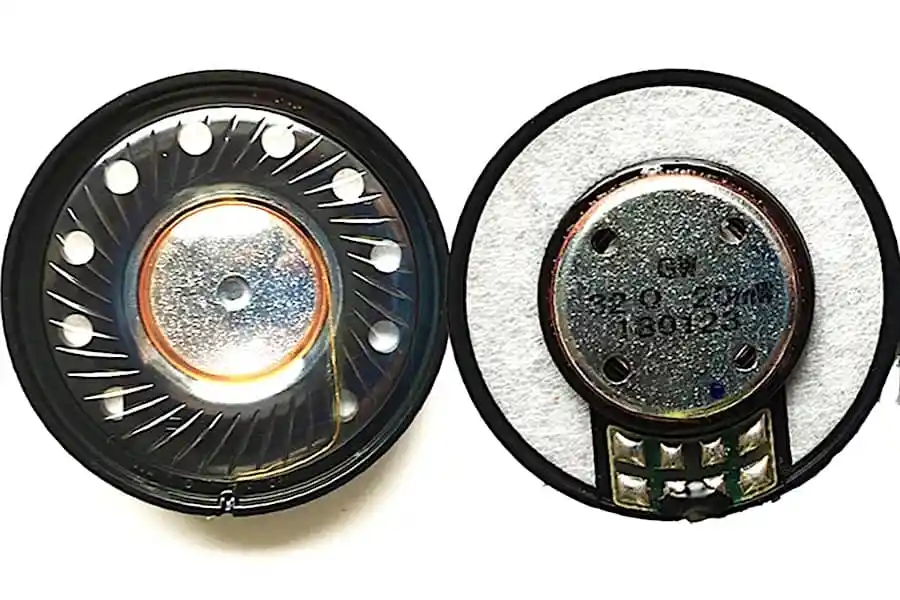
A driver can be compared to a little loudspeaker. Each ear cup of every set of headphones has a minimum of one driver. As the last gatekeeper in charge of the sound that actually reaches your eardrums, it is the most crucial part of your audio chain.
Drivers work the same way whether you are using wired vs wireless eadphones, although the signal delivery method can affect latency and compression.
How Headphone Drivers Work?
The little parts that convert electrical impulses into sound are called headphone drivers. A tiny diaphragm inside the driver vibrates in response to an audio source.
The surrounding air is pushed and pulled by these vibrations, producing sound waves that reach your ears. These waves are subsequently perceived by your brain as voices and music.
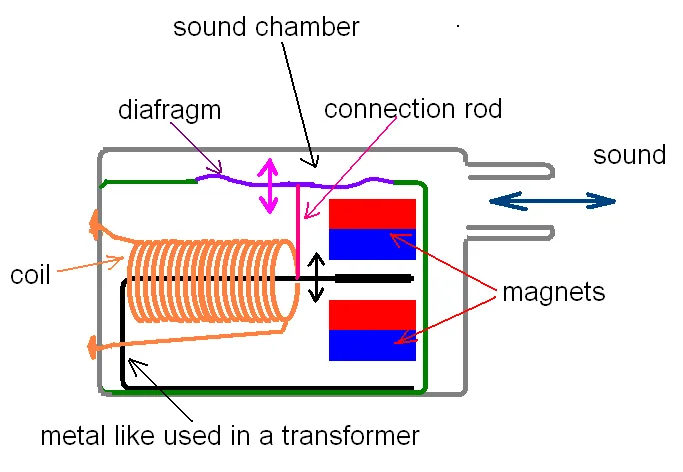
Research presented at the Audio Engineering Society shows that controlling distortion and maintaining linear diaphragm movement are critical factors for accurate headphone sound reproduction.
Similar to how a drumhead vibrates when struck, this action moves air to create music. The same idea underlies headphone drivers, but they function on a much smaller and more accurate scale, enabling them to replicate everything from clear high notes to deep bass.
The Anatomy of Audio: Main Components of a Headphone Driver
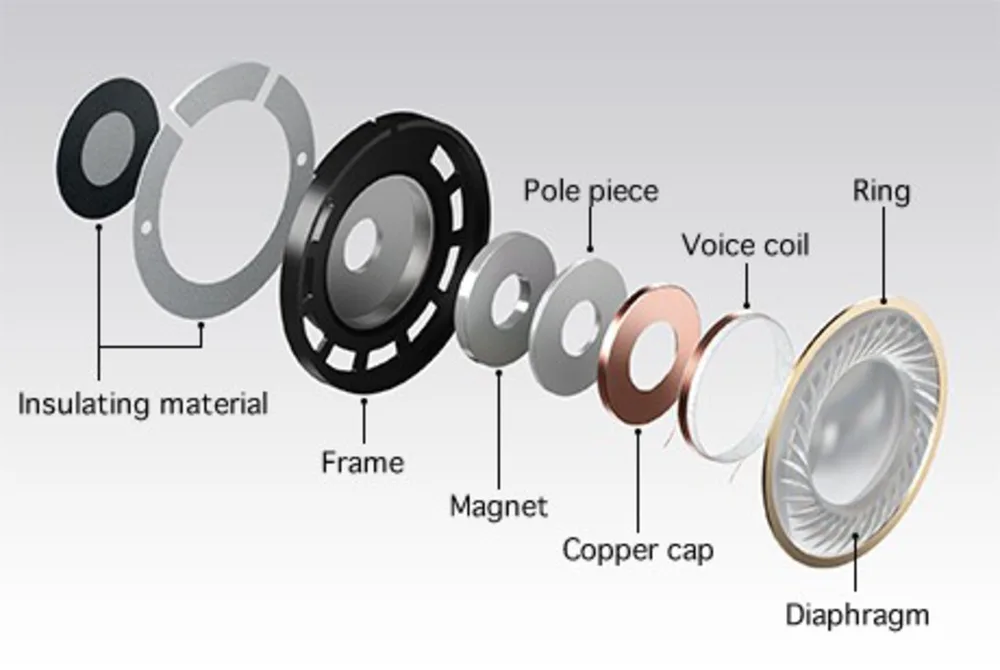
While different technologies exist, most high-end drivers rely on four essential components:
- Diaphragm: This is the thin membrane that acts as the “voice” of the driver. In the world of high-end audio, materials matter. While budget sets use plastic, premium headphones utilize beryllium, magnesium, aluminum, or bio-cellulose to achieve better “speed” and tonality.
- Voice Coil: This coil of wire receives the electrical signal. To ensure maximum signal integrity, manufacturers use high-grade materials like Oxygen-Free Copper (OFC).
- Magnet: Usually made of Neodymium, these magnets create a powerful, stable magnetic field. The stronger the magnet, the better the driver can control the diaphragm’s movement.
- Housing: This structure supports the internal parts. Whether it is made of wood, metal, or high-grade polymer, the housing influences sound isolation and prevents unwanted resonance.
If you want a deeper overview of audio gear, including types of microphones and headphone technologies, resources like SoundHub provide helpful explanations for beginners and enthusiasts alike.
Does Headphone Driver Size Matter?
A common misconception is that better sound is inherently associated with larger headphone drivers. Larger drivers, like 50 mm, are frequently promoted by brands as an indication of superior quality. Driver size is actually just one aspect of the total design.
More air can be moved by larger speakers, which frequently results in deeper and stronger bass. For this reason, drivers in the 40 mm to 50 mm range are common in over-ear headphones.
Independent testing platforms such as RTINGS evaluate headphone accuracy using laboratory measurements, including frequency response, harmonic distortion, and spatial performance analysis.
Smaller drivers, which are frequently found in in-ear monitors, are lighter and have a quicker response time to sound changes. This frequently enables them to more quickly and clearly replicate finer elements.
Ultimately, the size of the driver is not the only aspect that affects sound quality; other criteria include materials, tuning, and overall headphone design.
Driver size also varies depending on headphone design, especially when comparing Over Ear vs On Ear Headphones.
6 Different Types of Headphone Drivers
You must comprehend the many kinds of headphone drivers and the technologies they use in order to discover your ideal sound. This is a summary of the main headphone driver types now in use in the industry, along with new technologies like piezoelectric drivers and MEMS (Microelectromechanical systems).
1) Dynamic Drivers: The Reliable Workhorse
Dynamic headphone drivers, also known as moving coil drivers, are the most common technology on the market. They work via electromagnetic induction: a voice coil attached to a diaphragm moves within a magnetic field.
In high-end hi-fi, engineers often use a frameless coil design to reduce mass, allowing the driver to react faster to the audio signal.
- Pros: Punchy, impactful bass (great “slam”), efficient, and affordable.
- Cons: Potential for “break-up” or distortion at high volumes or very high frequencies.
Examples:
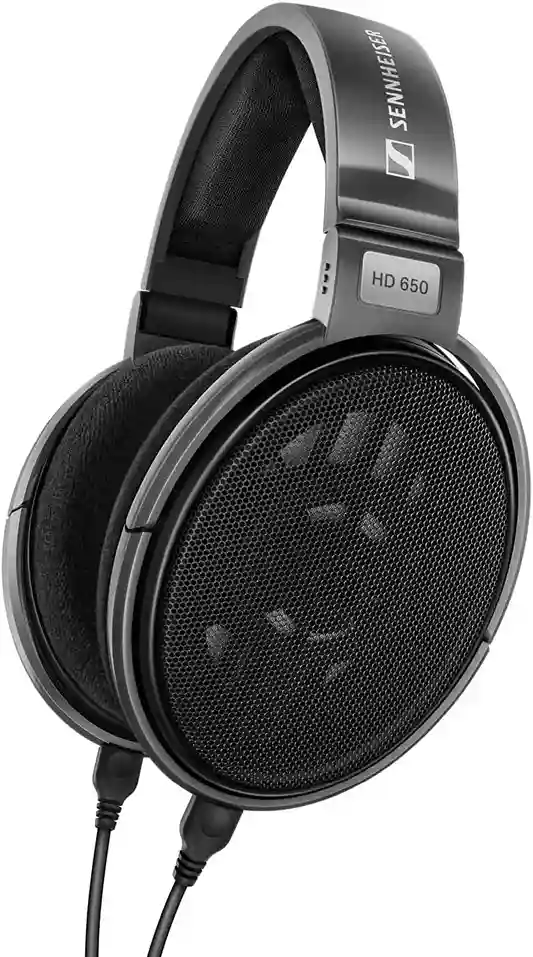
Sennheiser HD 650: famous for its warm, natural dynamic driver sound.
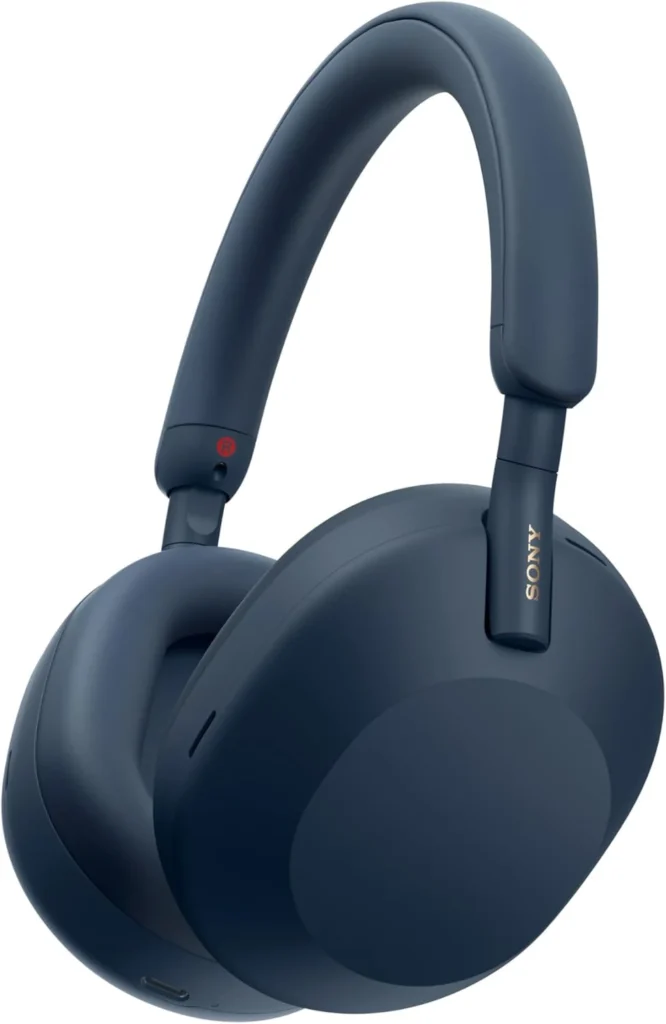
Sony WH-1000XM5: a popular noise-cancelling headphone using dynamic drivers.
2) Balanced Armature Drivers: The Precision Specialists
Commonly found in professional IEMs and hearing aids, balanced armature drivers use a miniature reed (armature) balanced between two magnets. When current flows, the armature pivots, moving a drive rod connected to a diaphragm.
- Pros: Extremely compact and highly efficient. They offer unmatched clarity in the mids and highs.
- Cons: Limited frequency bandwidth. They struggle with deep bass, which is why they are often used in multi-driver arrays.
Examples:

Shure SE846: a flagship multi-BA IEM used by musicians
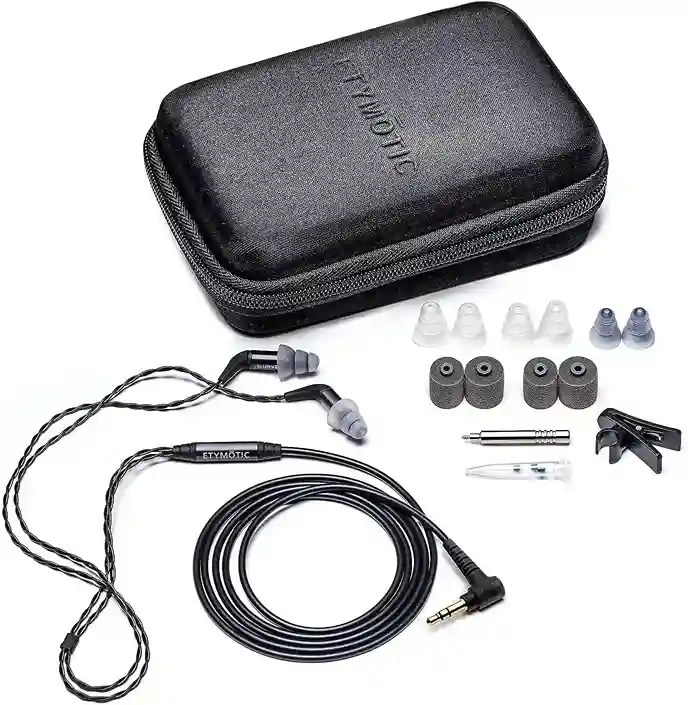
Etymotic ER4SR: known for extremely accurate sound reproduction.
3) Planar Magnetic Drivers: The Audiophile’s Choice
Also called Orthodynamic or Isodynamic drivers, planar magnetic headphone drivers use a thin, flat diaphragm with electrical traces etched into it. This diaphragm is sandwiched between two arrays of powerful magnets.
- Pros: Uniform movement leads to incredibly low distortion and lifelike “orthodynamic” sound. They are prized for their fast transient response.
If you want a quick visual comparison of planar magnetic and dynamic drivers, check out The Headphone Show. Their in-depth breakdown explains how these technologies differ in real listening scenarios.
- Cons: They are often heavy and have low sensitivity, meaning they usually require a dedicated amplifier and are almost exclusively found in open-back designs.
Many planar models are also designed as open-back and closed-back headphones, which significantly affect soundstage and isolation.
4) Electrostatic Drivers: The Pinnacle of Clarity
Electrostatic headphone drivers are the elite tier. They use an ultra-thin film (almost weightless) suspended between two perforated metal plates called stators. Static electricity moves the entire film simultaneously.
- Pros: Unrivaled transparency and speed. Since the diaphragm has no metal traces or coils, it is free from secondary vibrations and distortion.
- Cons: Extremely expensive. They require a specialized high-voltage amplifier known as an energizer. They are also sensitive to humidity and dust.
Examples:
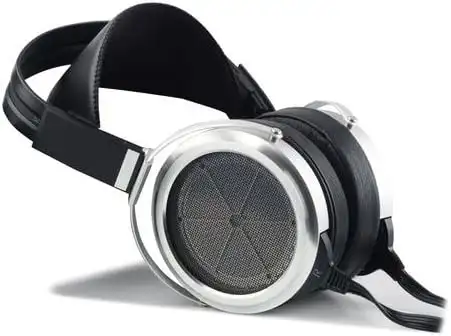
5) Bone Conduction Drivers: Sound Without Ears
Bone conduction headphones bypass the ear canal and eardrum entirely. They transmit vibrations through the cheekbones and skull directly to the cochlea.
- Pros: Ideal for situational awareness (athletes) and an excellent option for listeners with hearing loss in the outer or middle ear.
- Cons: Lower fidelity, especially in the sub-bass and high-frequency regions.
Examples:
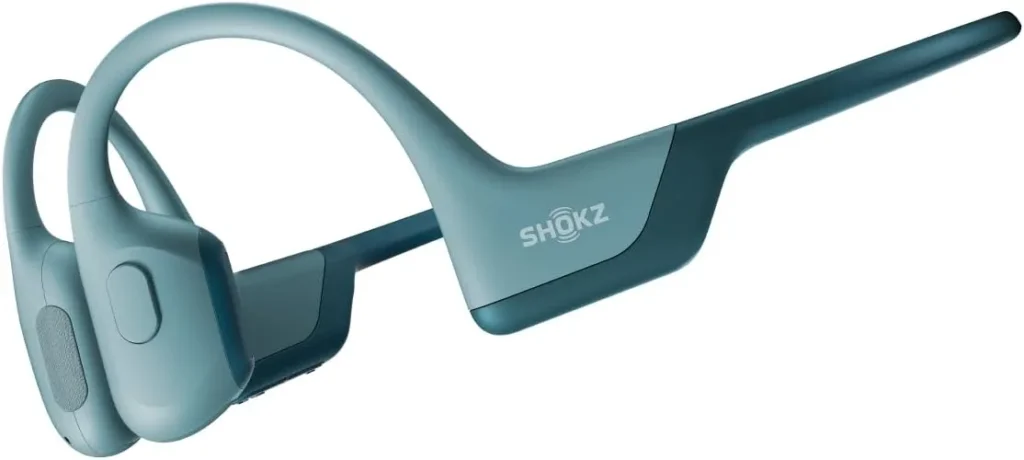
Shokz OpenRun Pro: one of the most popular bone conduction headphones.
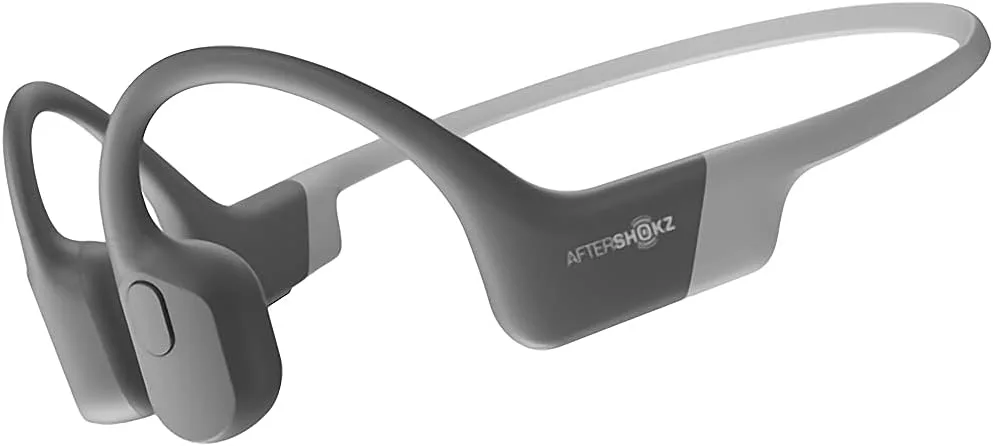
AfterShokz Aeropex: widely used by runners and cyclists.
6) Hybrid Drivers: The Best of Both Worlds
Hybrid headphone drivers combine multiple technologies, usually a dynamic driver for bass and balanced armatures for the “top end.” The “brain” of this system is the crossover circuit, which ensures the different frequencies blend together seamlessly.
- The New Frontier: Some modern hybrids are beginning to include MEMS (Solid-State) drivers for the treble, which offer a mechanical response that’s faster than traditional tech.
Which Headphone Driver Is Best for You?
How and where you listen to music will frequently determine which headphone driver is best for you. Certain qualities of sound, including vocal clarity, bass power, or overall precision, are highlighted by various driver technologies.
A straightforward way to match listener preferences with the best driver types is provided in the table below.
| Listener Profile | Recommended Driver | Why? | Requires Extra Gear? |
| Bass Lovers | Dynamic | Best air displacement for “slam.” | Usually No |
| Vocal/Detail Fans | Balanced Armature | Crystalline clarity in mids/highs. | No |
| Critical Listeners | Planar Magnetic | Lifelike, low-distortion sound. | Often Yes (Amp) |
| The Purist | Electrostatic | The ultimate in transparency. | Always (Energizer) |
| Athletes/Safety | Bone Conduction | Keeps the ear canal open. | No |
| The Polymath | Hybrid | Uses a crossover to cover all bases. | Sometimes |
Conclusion
Every set of headphones contains a tiny bit of engineering that subtly alters how we listen to music. Whether it’s the delicate clarity of electrostatic systems, the precision of planar magnetic designs, or the deep punch of dynamic drivers, each driver technology approaches sound differently.
Every one of them has a unique listening personality.Knowing these distinctions enables you to select headphones that suit your own preferences rather than only adhering to price tags or brand names. Finding the sound that appeals to you is more important than pursuing the most sophisticated technology.
Listening becomes more than just hearing music when you understand what’s going on inside those ear cups. The layers, textures, and minute elements that give music life begin to become apparent. A well-known song can occasionally feel startlingly fresh again with the correct headphones.
FAQs
1) What are the main types of headphone drivers?
The primary types are dynamic, balanced armature, planar magnetic (orthodynamic), electrostatic, bone conduction, and hybrid drivers. Emerging technologies include MEMS and piezoelectric drivers.
2) Which headphone driver sounds the best?
Sound is subjective. However, for sheer transparency and detail, electrostatics are often considered the peak. For musicality and bass impact, high-end dynamic drivers are often preferred.
3) Are planar magnetic drivers better than dynamic drivers?
Planars typically offer better accuracy and lower distortion across the frequency range. However, they are heavier, more expensive, and usually require an external amplifier to reach their full potential, whereas dynamic drivers are more versatile and efficient.
4) Why do some headphones have multiple drivers?
Much like a high-end speaker system uses a woofer and a tweeter, hybrid headphone drivers use multiple units to handle specific frequency ranges. This allows a dynamic driver to focus purely on bass while balanced armatures or MEMS drivers handle the intricate high-frequency details.