



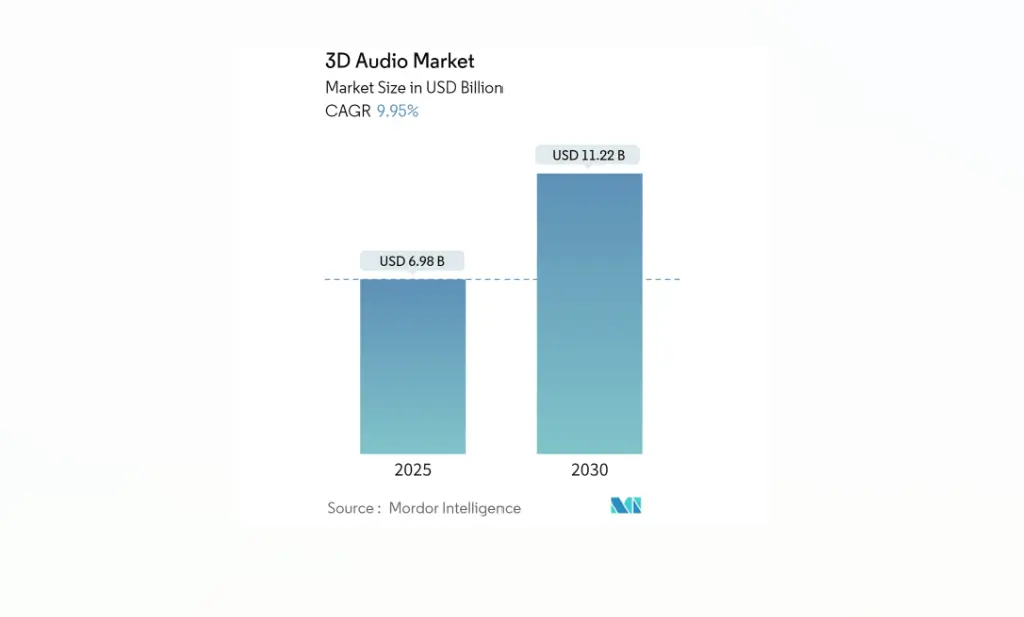
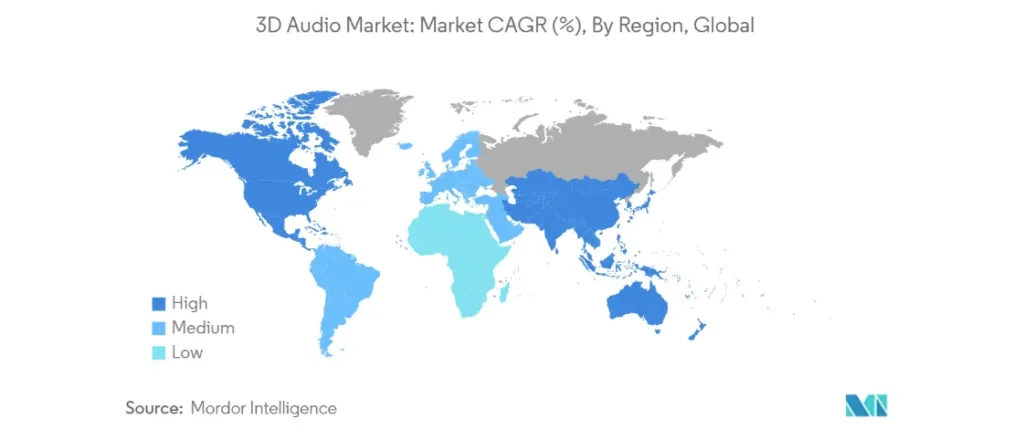
The global 3D audio market jumped from $5.8 billion to a projected $17.22 billion by 2033. And that’s just one corner of the audio revolution happening right now.
Spatial audio works through your existing headphones, AI tools let bedroom producers create radio-quality tracks, and lossless streaming has become standard rather than premium.
These music audio tech trends mean the barriers between amateur and professional audio quality are disappearing fast.
Key Takeaways
- Spatial audio now works on any headphones, creating immersive 3D sound without expensive equipment
- Video distribution services help independent artists publish across all major platforms simultaneously
- Lossless streaming delivers studio-quality audio that preserves every detail engineers intended
- AI production tools automate complex mixing and mastering tasks that once required expensive studios
- VR concert platforms eliminate travel costs and geographic barriers
- Sustainable audio equipment matches traditional gear performance while reducing environmental impact
Spatial Audio Works on Any Headphones Now
Consumer adoption of spatial audio technology has exploded over the past two years according to industry trend reports. That explosion is happening because spatial audio finally works through headphones you already own, not just expensive home theater setups.
Dolby Atmos on Apple Music and Tidal uses binaural rendering to place sounds in a sphere around you. Instruments appear above, behind, and beside you instead of just left and right.
BMW and Mercedes integrate these systems into their premium models, and Sony’s 360 Reality Audio works across their headphone lineup.
If you want the best experience, look for headphones with head tracking sensors, but even basic earbuds deliver noticeable depth. Enable Dolby Atmos in your Apple Music or Tidal settings and play any album marked “Spatial Audio” to hear the difference yourself.
Does Spatial Audio Work With Regular Headphones?
Yes, through binaural rendering that tricks your brain into perceiving height and depth from regular stereo signals. Headphones with head tracking sensors like AirPods Max or Sony WH-1000XM5 enhance the effect by adjusting as you move.
Understanding the different types of headphones helps you choose models optimized for spatial playback, especially open-back designs that naturally create wider soundstages.
Video Distribution Platforms Democratize Artist Reach
Independent musicians face a logistics nightmare trying to publish content across multiple platforms. YouTube, Vevo, Spotify video features, Apple Music videos, Tidal, and Boomplay all have different technical requirements and submission processes.
Tools like video distribution services simplify global content sharing, allowing musicians to reach audiences with a few clicks.
These platforms handle encoding, metadata, and delivery to all major services simultaneously.
Artists keep 100% of their earnings rather than splitting revenue with traditional distributors. Upload once, distribute everywhere, and focus on creating rather than administrative headaches.
DistroVid includes custom release date scheduling and typically delivers to platforms within a few days rather than the weeks traditional distributors require.
Worth trying: The Vevo partnership alone gives creators that official watermark on YouTube, which still matters for credibility.
Lossless Streaming Became the Baseline Expectation
Leading music streaming apps now offer FLAC and ALAC formats at 24-bit depth with sample rates up to 192kHz. That matches what engineers hear in mastering studios.
Apple Music includes lossless at no extra cost, Tidal built their brand on it, and Amazon Music HD offers it with Prime membership. Better internet infrastructure made high-resolution streaming economically viable, and music production techniques emphasize preserving this quality all the way to listeners’ ears.
But what does this actually mean for your listening experience? The difference shows up clearly in complex passages where compression normally destroys detail.
What Lossless Audio Actually Delivers
Improvements appear in specific ways you can hear immediately:
- Zero compression muddiness
- Full dynamic range so whisper-quiet sections stay distinct from loud passages instead of everything sounding compressed to the same volume level
- Accurate instrument timbres
- Reverb tails, room ambience, and subtle spatial cues that compression destroys
Spotify and Tidal now display mastering information so you know whether you’re hearing the 2024 remaster or original 1987 version.
Compare the same track in standard and lossless quality using decent audio accessories, and jazz or classical recordings show the most dramatic differences.
VR Concerts Eliminate Geographic Barriers
Meta Horizon Venues and Wave run motion-captured performances where artists play for thousands of simultaneous attendees worldwide. Fans use Quest headsets, PSVR2, or desktop browsers to attend.
These aren’t passive livestreams. You walk around venues, chat with other attendees in real time, and some shows include direct artist interaction.
A teenager in rural India can attend a major artist’s performance without visa complications or significant travel expenses. Artists reduce touring costs and carbon footprints while maintaining direct fan connections.
Hybrid events where in-person and VR audiences experience the same show simultaneously are becoming more common.
Check it out: Meta Horizon Venues offers free concerts regularly, and the spatial presence beats what flat video streams deliver.
Sustainable Gear That Performs
Taylor Guitars and Martin now use exclusively sustainable tonewood sources. JBL and Bose incorporate recycled ocean plastics into premium speaker models without compromising acoustic performance.
Companies figured out how to make environmental responsibility work sonically through serious R&D investment rather than just marketing claims.
Studio owners retrofit with solar panels and energy-efficient HVAC systems. Manufacturers publish verified carbon footprint data. Rental platforms like Splice Gear reduce the need to own every piece of equipment, cutting manufacturing waste substantially.
Look for gear with published environmental certifications, and some models from manufacturers like Taylor use sustainable materials that maintain or improve acoustic properties compared to traditional options.
AI Production Tools Cut Studio Costs Substantially
AI platforms handle mixing, mastering, and stem separation by analyzing thousands of professional releases.
They suggest EQ curves, compression ratios, and spatial placement based on your genre. Pair these with music production apps on mobile devices and you can produce tracks during your lunch break.
LANDR, iZotope Ozone, and eMastered automate technical execution so you focus on creative decisions. A bedroom producer no longer needs thousands of dollars in plugins to achieve radio-quality sound.
Software handles tedious tasks like automating volume rides and cleaning background noise, which saves hours of manual work.
AI Augments Rather Than Replaces Producers
AI music production tools lack taste and cultural context. They execute technical tasks brilliantly but can’t make creative judgments.
Best workflow? Use AI to test multiple variations quickly while human ears decide what actually works. Producers save hours on routine tasks and spend that time on artistic vision instead.
LANDR offers a free tier that handles basic mastering, so you can upload a rough mix to see how AI processing compares to your manual approach.
Conclusion
These music audio tech trends represent fundamental accessibility shifts. Try spatial audio through your current headphones. Test AI mastering on your next track. Enable lossless streaming if your service offers it.
Tools that required substantial studio budgets five years ago now run on your phone. Whether you’re an emerging artist or an audio enthusiast upgrading your setup offers practical technology that delivers immediate results.
FAQs
1) What Makes Spatial Audio Different From Regular Stereo Sound?
Spatial audio creates a sphere of sound where audio appears from any direction including above and below. Stereo only uses left and right channels.
2) Are Eco-Friendly Instruments as Reliable as Traditional Options?
Yes. Some manufacturers report that sustainable materials match or improve acoustic performance.
3) How Does AI Help New Musicians with Production Tasks?
It depends on what stage you’re at, but LANDR, iZotope Ozone, and eMastered automate mixing and mastering that normally requires years of training. These platforms analyze your track and apply professional-grade processing based on thousands of reference songs in your genre.
4) What Advantages do VR Concerts Provide Over Traditional Shows?
Meta Horizon Venues and Wave offer global accessibility regardless of location, real-time fan interaction, and production possibilities physical venues can’t accommodate.