

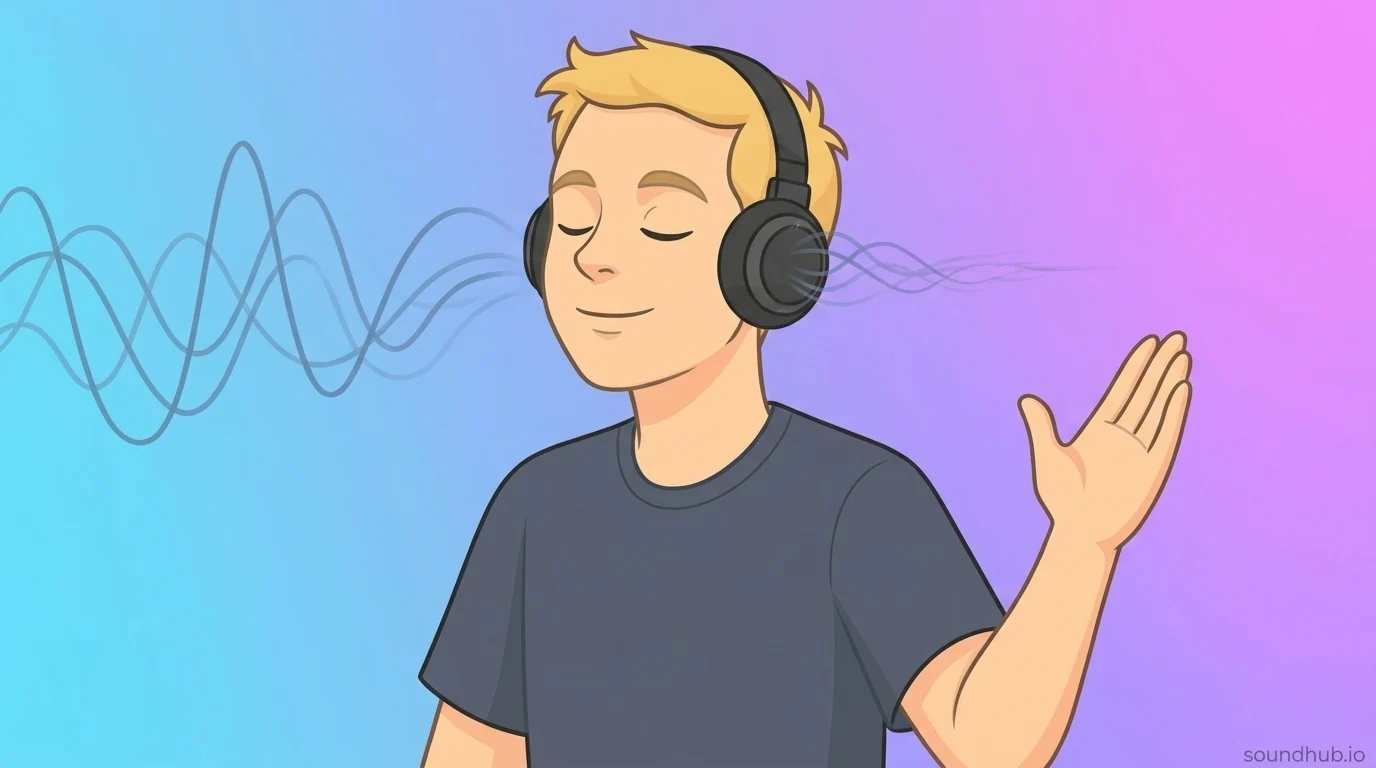

The world can get loud in ways you don’t always notice right away. The steady growl of an airplane cabin. The office where keyboards tap endlessly and someone is always on a call. The café that looked peaceful from the outside but turned out to be full of clinking cups and overlapping conversations.
None of it stops. The sounds just keep stacking on top of each other until even your own thoughts feel buried under the noise.
Then you put on a pair of noise cancelling headphones. If you’re still deciding between noise-cancelling headphones or headsets, it helps to understand how the two differ in design and purpose, especially when it comes to audio immersion and communication features.
Something changes. Not complete silence, not the kind you would find in a recording studio, but the chaos starts to pull back. The constant hum fades into the background. Voices blur together. The sharp edges of the environment soften a little. It feels like someone quietly lowered the volume on everything that was not meant for you.
TL;DR: The Core Process of Noise Cancellation
- Microphones capture external ambient sounds in real-time.
- Internal Electronics (Digital Signal Processing) inverts the sound wave to create “anti-noise.”
Destructive Interference occurs when the anti-noise meets the original noise, effectively cancelling the sound out.
Key Takeaways
- Noise cancelling headphones use microphones and digital processing to detect outside noise and generate an opposite sound wave that cancels it.
- The technology relies on destructive interference, where two opposite sound waves neutralize each other.
- Active Noise Cancellation (ANC) works best on low, steady sounds like airplane engines, train noise, and air conditioners.
- Passive isolation and ANC work together, combining physical earcup design with electronic noise cancellation.
- Modern ANC systems adapt in real time, adjusting to changing environments to improve noise reduction.
- Using noise cancelling headphones can reduce listening fatigue and help protect hearing by allowing lower volume levels.
What Is Noise Cancelling?
The clever part happens inside the headphones themselves.
Hidden in the earcups are tiny microphones that are always listening to the environment. They pick up the low rumble of engines, the drone of traffic, or the steady buzz of air conditioning. These sounds are analyzed almost instantly by the headphone’s internal processor.
Instead of simply blocking the noise, the system creates another sound wave that is the exact opposite of the one it detected. Same shape, same intensity, but flipped.
When the original noise and this reversed sound wave meet inside the earcup, they neutralize each other. The two waves effectively wipe each other out before the sound has a chance to reach your ear.
In physics, this phenomenon is known as destructive interference.
Most people would describe it in a much simpler way.
It is the moment when the noise around you suddenly becomes quiet enough to ignore.
How Noise Cancelling Headphones Work (Step-by-Step)
To understand where the magic happens, let’s look at the three-step journey from noise to silence:
1. Microphones Detect Outside Noise
The process begins with miniature microphones strategically placed on the earcups. These tiny sensors function similarly to professional recording equipment. If you’re curious about how sound is captured in studios and audio devices, understanding the different types of microphones can help explain why microphone placement and sensitivity matter so much.
These microphones constantly sample the ambient sound frequencies in your environment. Whether it’s the low rumble of a bus or the hum of an air conditioner, the microphones are the “ears” of the system, gathering data in real-time.
2. Phase Inversion Creates Anti-Noise
Once the noise is captured, the headphones’ Digital Signal Processing (DSP) engine synthesizes an “anti-noise” signal. The circuitry creates a sound wave that is a perfect mirror image of the noise. In technical terms, this wave is 180 degrees out of phase with the original sound, where the noise wave has a “peak,” the anti-noise wave has a “trough.”
3. Destructive Interference Cancels the Sound
When the original noise and the newly created anti-noise collide, they undergo destructive interference. Because they are exact opposites, they effectively “cancel out” one another. This happens almost instantly, leaving you in a quiet “bubble” where only your music remains.
The Physics: Ripples in a Pond
To visualize this, imagine sound waves as ripples in a pond. Sound requires a medium to travel through, like air or water. This is why there is no sound in the vacuum of space; there is no medium to carry the ripples.
When you drop a stone in a pond, ripples spread out with high points (peaks) and low points (troughs). Active noise cancellation works by creating a second ripple timed so perfectly that its peak fills the trough of the first ripple. When these two meet, the water becomes calm.
In your headphones, the DSP engine does this with air pressure, creating “calm air” for your eardrum.

Source: The Ripple Effect by Medium
Active Noise Cancelling vs. Passive Noise Isolation
Think of these two as a tag team. Passive isolation is your first line of defense, relying on ergonomic design and memory foam to block out those high-pitched, unpredictable sounds. Active Noise Cancelling is the heavy hitter that steps in to handle the grueling, constant hum of the world.
| Feature | Passive (Noise Blocking) | Active (Noise Cancelling) |
| Method | Physical materials (padding/fit). | Microphones and DSP electronics. |
| Power | Requires no power source. | Requires battery power. |
| Effectiveness | Best for high-frequency sounds. | Best for low-frequency drones. |
| Wavelengths | Muffles short, erratic waves. | Cancels long, predictable waves. |
When selecting noise cancelling headphones, another important factor to consider is the difference between open-back and closed-back headphones. The design of the earcups influences how sound moves in and out of the headphones, which can affect both noise isolation and the overall listening experience.
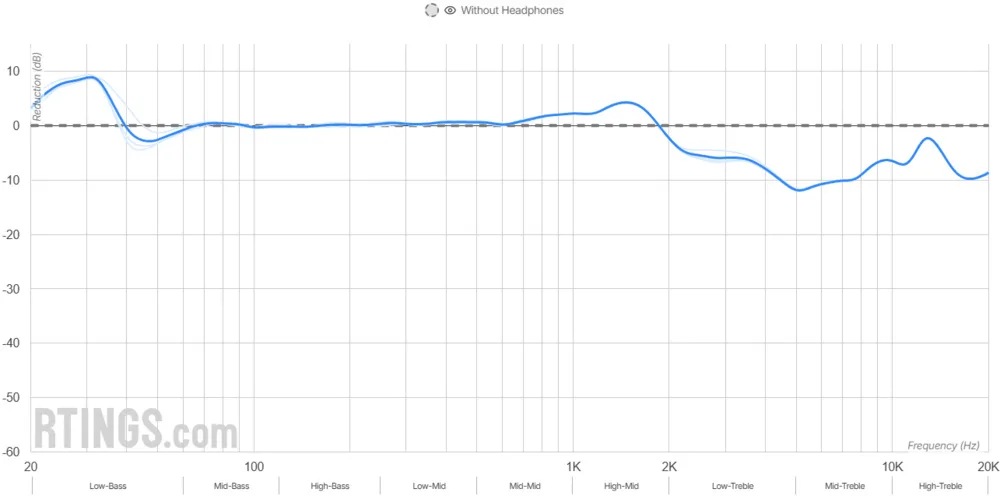
The open-back Audeze MM-100 has a bad noise isolation performance.
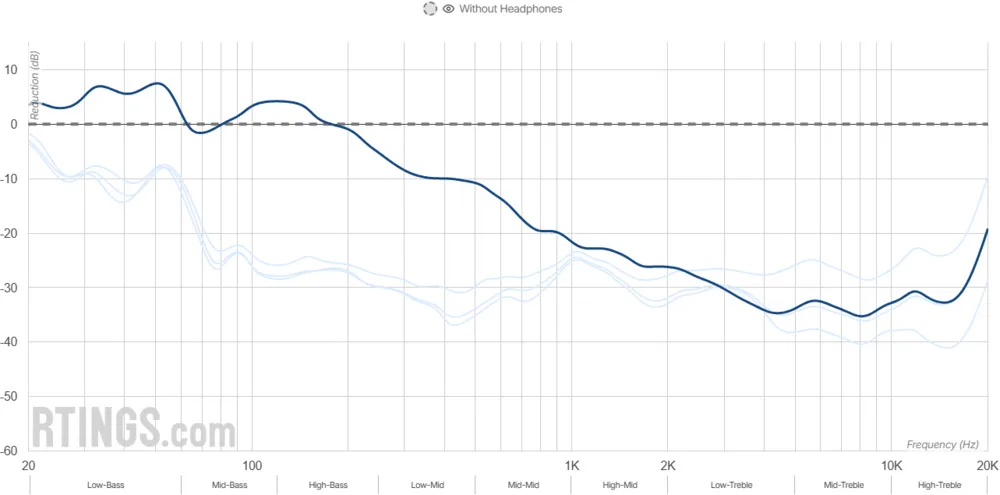
The closed-back Bose QuietComfort Ultra Headphones Wireless have outstanding noise isolation.
Types of Active Noise Cancelling Technology
Not all ANC is created equal. There are six major types of microphones, and the placement of the microphones changes how the headphones “see” the world:
- Feedforward ANC: Microphones are on the outside of the earcup to catch noise before it hits your ear.
- Feedback ANC: Microphones are inside the earcup, listening to what you hear and making corrections.
- Hybrid ANC: This uses both external and internal microphones for the most comprehensive coverage.
- Adaptive & True Adaptive ANC: Modern ANC technology doesn’t remain static. Adaptive systems constantly analyze surrounding sounds and recalibrate the cancellation thousands of times per second. High-end models from brands like JBL and Dyson can adjust the signal up to 50,000 times per second to match changing environments.
- The Future (Selective ANC): Cutting-edge research is now using AI to allow “target speech.” This means your headphones could eventually cancel a whole crowd, but let a single person’s voice through if you look at them.
What Sounds Can Noise Cancelling Headphones Actually Block?
Noise cancelling headphones have a sweet spot. And it lives right in the middle of the sounds that never give you a break.
The deep cabin hum of a plane that follows you from takeoff to landing. According to research published in the journal Environmental Health and Preventive Medicine, aircraft cabin noise during commercial flights commonly ranges between 75 and 85 decibels, with measurements showing a median level of about 83.5 dB(A) inside the cabin environment.
The slow drone of an air conditioner is baked into every office you’ve ever sat in. The rolling rumble of a train that gets into your bones. These sounds are predictable. They repeat. They settle into long, steady waves that the electronics inside your headphones can read almost instantly, like recognizing a song after just two notes.
So the headphones generate the exact opposite signal and cancel it before you ever notice it.
That’s why slipping a pair on mid-flight feels like someone quietly escorted the engine noise out of the room.
That’s where the physical design steps in. The cushioning around your ears, the snug seal against your skin, intercepts those unpredictable sounds the old-fashioned way: by simply standing between you and them.
So you’re never relying on just one thing. The electronics handle the slow, grinding background noise. The materials catch the sudden, sharp stuff. Together, they cover far more ground than either ever could alone.
Earbuds vs. Over-Ear Headphones
Effective ANC now exists in both forms, such as the Bose QuietComfort Ultra series.
- Noise cancelling earbuds are ultra-portable and use specialized tips to create a tight physical seal.
Over-ear headphones generally offer better battery life and superior isolation because they physically cover the entire ear, providing a natural barrier that complements the electronics.
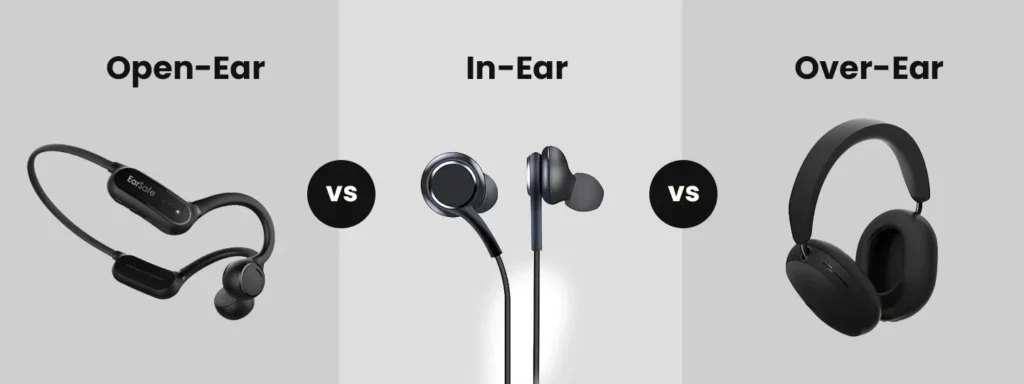
Source: ngearsafe
Are Noise Cancelling Headphones Worth It?
If you travel or work in an open office, the answer is usually a resounding yes.
The Benefits:
- Hearing Protection: Since you aren’t “fighting” background noise, you can listen at lower, safer volumes.
- Reduced Travel Fatigue: The constant rumble of engines is taxing on the nervous system; ANC reduces this stress.
- Focus: It creates a “do not disturb” zone for your brain. Many people use this quiet listening space to concentrate while working or studying, often pairing their headphones with calming background audio like Lo-Fi music, which has become popular for its relaxing and distraction-free sound.
The Reality Checks:
- Call Quality: While ANC helps you hear the caller, it usually doesn’t stop the caller from hearing your background noise.
- Battery Dependency: Once the battery dies, the active “magic” stops.
- Audio Integrity: Lower-end models may have a slight “hiss” or impact the depth of the music when ANC is engaged.
Conclusion
Understanding how noise-cancelling headphones work gives you a whole new appreciation for the technology you use every day. Those tiny microphones and smart algorithms are constantly working behind the scenes to quiet the world around you.
Whether you rely on hybrid noise cancellation during a long flight or adaptive earbuds while walking through a busy street, the goal is the same: less distraction and more control over what you hear.
By reducing the constant background noise, these headphones create a small pocket of calm, helping you focus on your music, your work, or simply enjoy a moment of quiet.
FAQs
1) How do noise cancelling headphones work in physics?
They utilize the principle of destructive interference. By creating a sound wave that is 180 degrees out of phase (a mirror image) of the ambient noise, the headphones cause the two waves to cancel each other out upon contact.
2) Noise cancelling headphones: how do they work?
Tiny microphones sample the noise around you. An internal computer then generates an “anti-noise” signal that is played through the speakers to neutralize the external sound before it reaches your ears.
3) How do active noise cancelling headphones work?
Active models use a battery-powered “DSP engine” to actively synthesize sound waves. Unlike passive earplugs, they require electricity to process environmental audio and create the cancelling signal.
4) What are noise cancelling headphones? How do they work?
They are audio devices that create a silent listening “bubble.” They combine physical materials to block high-pitched sounds and electronic circuitry to cancel out low-pitched drones.