


Most musicians suck at marketing. Not because they’re lazy, but because they’re treating 2025 like it’s 2015. Talent alone doesn’t cut it anymore when thousands of artists drop new music every single day.
Here’s the uncomfortable truth: Fans, booking agents, and media professionals google you before they listen. They scroll your Instagram before they buy tickets. If they can’t find you, or what they find looks abandoned, they move on in seconds. Your best song might never reach the people who’d love it most simply because your digital presence is invisible.
Key Takeaways
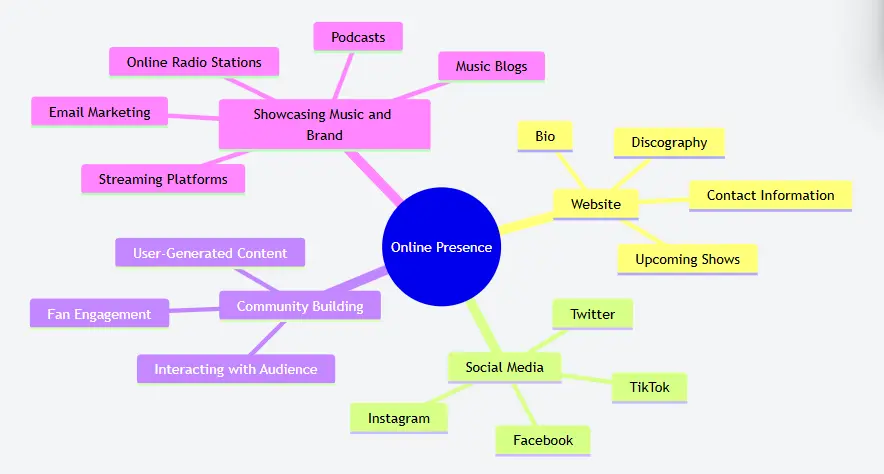
- Building digital visibility takes work across search engines, social media, and our websites
- Your website is permanent real estate (social platforms can disappear overnight)
- SEO helps people find your music when they’re searching
- Consistent engagement beats hoping for one viral moment
- Authentic branding creates emotional connections that turn listeners into actual fans
- Technical issues silently kill discoverability
Digital Visibility Forms Our Career Foundation
Our online presence serves as the cornerstone of modern music careers. What appears when someone searches our artist name shapes their entire perception of our professionalism. A 2023 study from Walden University found that independent artists who develop strategic digital marketing approaches sustain profitability far better than those relying solely on traditional methods.
Here’s what most musicians miss though. A cohesive digital identity across platforms signals credibility in ways we might not expect. We’ve seen talented artists lose opportunities because their Instagram looked active but their website hadn’t been updated in two years. Industry professionals scroll fast, and they’ll judge our professionalism within seconds.
Where Should We Start?
Skip the overwhelming advice about being everywhere at once.
Focus on these priorities:
- Claim our artist name across all major platforms before someone else does (name squatting is real)
- Set up a Google Business Profile for local venues
- Pick ONE content format we can stick with weekly
- Learn basic SEO or schedule quarterly audits
- Start collecting emails immediately, even with just 50 fans
Most artists waste months perfecting their logo while their domain name sits unclaimed.
Can Search Rankings Really Impact Discovery?
Yes, but Instagram won’t tell you this because they want you scrolling, not searching.
Search engines matter less for viral discovery and more for converting curious listeners into actual fans. When someone hears our song on a playlist and searches our name, what they find determines whether they follow us or forget us.
Optimization strategies help search engines understand our content. Using relevant keywords, creating descriptive page titles, and earning backlinks from reputable music sites all contribute to stronger search visibility. Services such as Clickintelligence.co.uk can help you understand how your online performance measures up and where you can make improvements to boost visibility.
Regular audits catch issues that block search engines from indexing our pages. Broken links pile up faster than we realize, slow loading speeds drive away impatient listeners.
Social Platforms Function as Modern Performance Venues
Social media has evolved into essential career infrastructure for musicians. Research from the Music & Entertainment Industry Educators Association reveals that social media has fundamentally reshaped music discovery patterns across the industry.
Each platform serves different purposes. TikTok excels at viral discovery through short clips. YouTube remains the destination for music videos and documentary content. Instagram works well for visual storytelling.
But here’s what nobody wants to hear: Posting regularly matters more than posting perfectly, yet most musicians burn out trying to maintain unrealistic schedules across five platforms. Pick two platforms maximum until we’re generating enough income to hire help. Spreading ourselves thin guarantees mediocre results everywhere.
I learned this the hard way after wasting six months trying to dominate Instagram, Twitter, TikTok, and YouTube simultaneously. Guess what? All four accounts looked abandoned within weeks because I couldn’t keep up.
What Content Actually Works?
Music snippets, practice sessions, and work in progress clips satisfy fans who crave insider access. Tutorial content teaching techniques position us as experts. Many artists share workflow tips using music production apps like GarageBand or BandLab to help aspiring musicians learn the technical side.
Behind the scenes content humanizes our artistry more than any perfectly shot music video. Showing rehearsal struggles or studio outtakes makes us relatable. Fans root harder for artists they’ve watched struggle and grow.
Some musicians build deeper connections by starting a podcast where they discuss their creative process or interview fellow artists. If you go this route, grab a Blue Yeti USB mic (around $130) or Audio-Technica AT2020USB+ (about $150), plus Sony MDR-7506 headphones for monitoring. Listeners notice poor audio quality instantly and it undermines our credibility as music professionals.
The Budget Reality
We don’t need expensive gear to start. Most smartphones shoot better video than cameras from five years ago. Free editing apps like CapCut handle basic cuts fine. Focus on consistent posting with what we have rather than waiting to afford “perfect” equipment. The musicians winning right now aren’t the ones with the best gear, they’re the ones showing up consistently.
For websites, Bandzoogle caters specifically to musicians with built-in players and tour features (starts at $10/month).You can also utilize an AI website builder to quickly create a professional site tailored to your needs. Mailchimp’s free tier works until you hit 500 subscribers. Buffer or Later (both have free plans) save hours weekly for social scheduling.
Personal Branding Actually Matters
Our brand encompasses far more than visual aesthetics. It represents our values, personality, and the emotional experience fans associate with our work.
Strong branding creates instant recognition, though most musicians overthink the aesthetics and underthink the message. Our color palette matters less than whether people understand what we stand for within five seconds. According to Berklee College of Music optimizing online presence requires developing content strategies that reflect artistic identity consistently.
Here’s what $500 branding courses won’t tell you (and I’ve wasted money on these): Authenticity drives deeper connections than manufactured personas every single time. Listeners today smell fake immediately. Vulnerability beats perfection. Sharing personal stories about what inspired specific songs or discussing creative struggles resonates more powerfully than another professionally shot performance video.
Your Website Provides Permanent Real Estate
Social platforms offer tremendous reach but come with significant limitations. Algorithm changes can tank our visibility overnight. Accounts get hacked or banned. Platforms themselves can lose relevance or shut down entirely.
Our own website gives us complete control. It serves as a central hub where fans find everything in one place. Tour dates, streaming links, merchandise, press materials, and contact information all live in a space we fully own. No algorithm decides who sees our new release.
Mobile responsiveness matters since most visitors browse on phones. Fast loading speeds prevent people from bouncing. Clear navigation helps visitors find what they need quickly.
Update your website within 24 hours of every new release or show announcement. Create dedicated landing pages for album releases with embedded players, lyrics, and background stories. Monthly content additions keep your site dynamic, whether video uploads, photo galleries, or interviews with collaborators.
Technical Optimization Enhances Discoverability
Beyond content quality, technical factors determine how easily people discover our music, and these invisible problems lose us fans daily. Metadata like title tags and meta descriptions tell search engines what each page contains and appear in search results.
Schema markup for music events can make our show listings appear in rich snippets with dates, venues, and ticket links directly in search results. A 2021 study from California State University Monterey Bay demonstrates that independent musicians who leverage technical optimizations build stronger brand identities and reach audiences more effectively.
Backlinks from reputable music blogs and local media coverage signal authority to search engines. Some musicians also consider purchasing quality backlinks to improve their site’s authority and rankings in search results.
Each quality link acts as a vote of confidence. Site speed optimization prevents frustrated visitors from abandoning our pages. Compressing images and using reliable hosting like SiteGround or Bluehost (both around $5-10/month) contribute to faster loading.
Conclusion
Building an online presence isn’t optional anymore. You already know this from watching which musicians succeed around you.
Authentic branding, technical optimization, and consistent engagement create sustainable momentum. Most musicians see measurable results within three to six months of consistent effort (not overnight success, but actual progress). Developing comprehensive music marketing strategies helps us compete without major label budgets.
Start with one thing today. Not tomorrow.
FAQs
1) Should I Pay For Spotify Playlist Placements Or Focus On Organic Growth?
Focus on building real relationships with curators not pay-for-play. Those paid schemes usually mean fake streams and will hurt you long-term.
2) Why Isn’t My Music Getting Any Streams Despite Having Decent Social Media Followers?
Followers don’t mean listeners. Promote across email, playlists, and with more than one social post per release.
3) Do I Really Need To Be On TikTok If I Hate Making Videos And Feel Too Old For The Platform?
TikTok isn’t mandatory, but it’s where young fans discover new music. Stick to platforms you enjoy and can show up consistently on.
4) What’s The Minimum Budget Needed To Build An Online Presence As An Independent Musician?
You can start free, but $50-100 monthly (domain, email, posts) helps you grow faster raise spending only if you earn more.